There’s nothing more deflating than the hiss of a completed dishwasher cycle, only to open the door to a collection of still-dripping plates and puddled mugs. You invested in a machine to save time and effort, so Why Are My Dishes Still Wet? It’s a frustratingly common problem, but the good news is that the solution is often surprisingly simple. Before you start searching for a new appliance or calling a costly repair service, let’s walk through the likely culprits together. Think of me as your guide to transforming that steamy, damp mess into perfectly dry, sparkling-clean dishes.
As a seasoned appliance expert, I’ve seen this issue countless times. More often than not, the fix doesn’t involve a single tool but rather a small adjustment in how you use your machine. From simple loading errors to understanding the type of drying technology your dishwasher uses, we’re about to uncover everything you need to know.
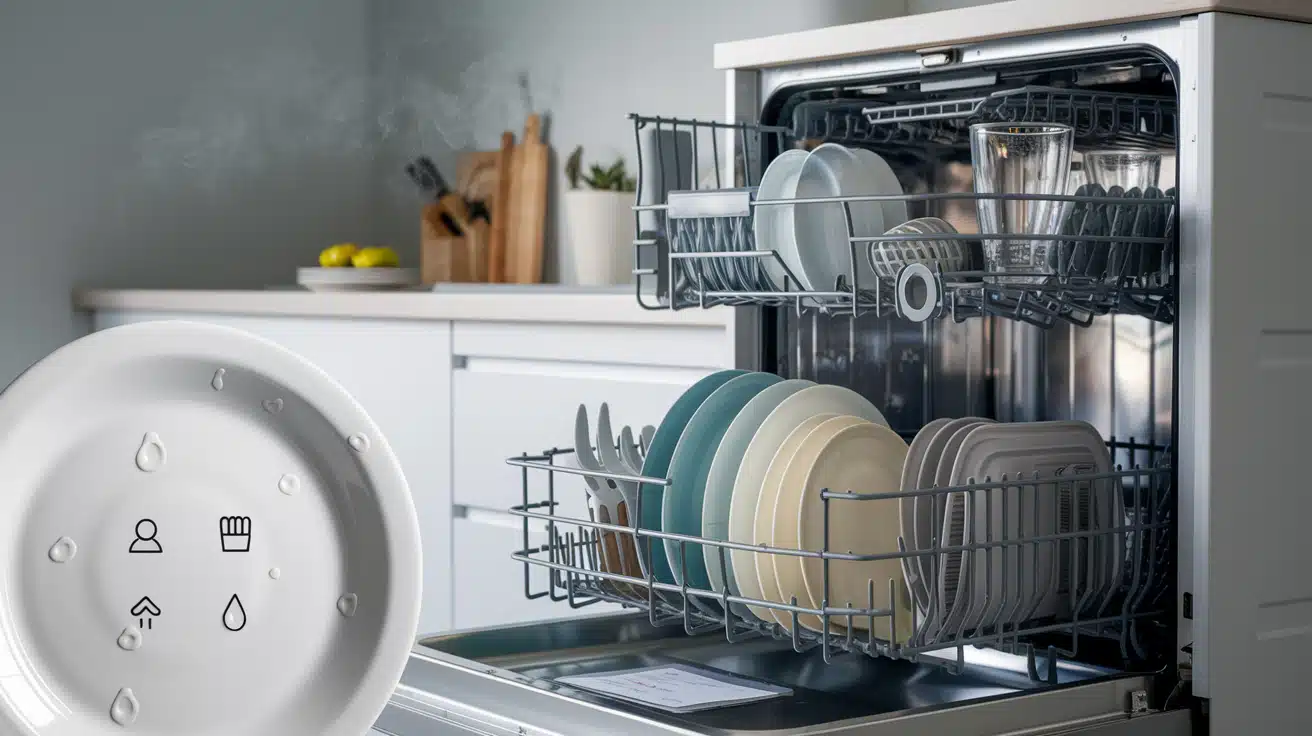
The Usual Suspects: Simple Fixes for Wet Dishes
Let’s start with the most common and easiest-to-fix reasons for damp dishes. Nine times out of ten, the problem lies in one of these three areas.
1. The Art of Loading Your Dishwasher
It might sound basic, but how you load your dishwasher has a massive impact on its drying performance. If you’ve been practicing the “shove it all in and hope for the best” method, it’s time for a change.
- Don’t Overcrowd: This is the number one sin of dishwasher loading. When dishes are packed too tightly, water and air can’t circulate properly. Hot air needs to reach every surface to evaporate the moisture. Give your dishes some personal space.
- Face Them Down: Bowls, mugs, and containers should always be placed on the top rack at an angle, facing down. This allows water to drain away completely instead of pooling on top. A mug placed upright is just a tiny swimming pool waiting to happen.
- Mind the Plastics: Plastic items don’t retain heat as well as ceramic or glass, so they naturally take longer to dry. Always place them on the top rack, away from the heating element, to prevent warping and give them the best chance to air dry.
2. The Magic of Rinse Aid
If you’re not using rinse aid, you’re missing a key ingredient for dry dishes. It’s not just a fancy, optional extra sold by manufacturers to make more money. It’s essential.
So, what does it do? Rinse aid is a surfactant. In simple terms, it works by breaking the surface tension of water. Instead of forming into large droplets that cling to your dishes, the water spreads out into a thin sheet and slides right off. This “sheeting” action dramatically speeds up the drying process. Most modern dishwashers are designed with the assumption that you’ll be using it.
How to use it: Simply fill the rinse aid dispenser—usually a small, covered compartment near the soap dispenser—and your dishwasher will automatically release the correct amount during the final rinse. Most dispensers have an adjustable setting, so if your dishes are still wet, try turning it up a notch.
3. Choosing the Right Cycle
Not all dishwasher cycles are created equal. If you’re consistently using a “Quick Wash” or “Eco” cycle, you might be sacrificing drying performance for speed or energy efficiency. These cycles often use lower water temperatures and may skip or shorten the heated dry portion to save energy.
For the best drying results, opt for cycles like “Heavy Duty” or “Pots & Pans,” or look for a cycle with a “Heated Dry” or “Extra Dry” option. While it might take longer and use a bit more energy, it ensures the internal temperature gets high enough to properly heat the dishes for effective evaporation.
Why Are My Dishes Still Wet? Diving Deeper into the Machine
If you’ve mastered loading, filled up the rinse aid, and selected the right cycle, but your dishes are still coming out damp, it’s time to look a little closer at the machine itself.
The Great Debate: Heat Dry vs. Condensation Dry
Understanding how your dishwasher dries is crucial. Modern machines primarily use one of two methods, and knowing which one you have can explain a lot.
- Heated Dry (Traditional): This is the classic method. A heating element, similar to the one in your oven, kicks on at the end of the cycle. It heats the air inside the dishwasher, which evaporates the water off the dishes. If you have this type, you’ll feel a blast of hot, steamy air when you open the door.
- Condensation Dry (Energy Efficient): Most new, energy-efficient dishwashers use this method. Instead of a powerful heating element, they rely on a super-hot final rinse to heat up the dishes themselves. The hot dishes then cause the moisture to evaporate. This evaporated water is then drawn to the cooler, stainless steel interior walls of the dishwasher, where it condenses and drains away.
As appliance repair technician John Carter often tells his clients, “Many people buy a new, quiet, energy-efficient dishwasher and are shocked their plastics are still wet. They don’t realize their old machine used a brute-force heating element. Condensation drying is more gentle and energy-smart, but it requires rinse aid and a little patience to work its magic.”
If you have a condensation dry model, it is perfectly normal for the interior walls of the machine and some plastic items to remain a bit wet. The glass and ceramic dishes, however, should be mostly dry.
Is Your Heating Element Working?
For those with a traditional heated dry model, a malfunctioning heating element could be the culprit. If your dishes are coming out both wet and cold at the end of a heated cycle, the element may have failed. This is less of a DIY fix and might be the point where you should consider getting a professional opinion.
Is the Vent Blocked?
Some dishwashers use a vent to release the hot, moist air during the drying cycle. These vents can sometimes get clogged with food debris or mineral deposits. Check your user manual to locate the vent (often on the door) and ensure it’s clear.
Pro Tips for Bone-Dry Dishes Every Time
Ready to take your dish-drying game to the next level? Here are a few expert tips to ensure optimal performance.
- Open the Door: Once the cycle is complete, crack open the dishwasher door an inch or two. This allows the remaining steam to escape, preventing it from condensing back onto your dishes as they cool. Some high-end models even do this automatically!
- Unload the Bottom Rack First: This is a simple but brilliant trick. If you unload the top rack first, any water that has pooled on top of mugs or bowls can drip down onto the dry dishes below. Always start at the bottom and work your way up.
- Check Your Water Temperature: For your dishwasher to work effectively, the water entering it should be at least 120°F (49°C). If it’s not hot enough, the detergent won’t activate properly, and the final rinse won’t be hot enough to aid in drying. To check, run the hot water at your kitchen sink for a minute before starting the dishwasher.
When to Call a Professional
While most causes of wet dishes are easily fixed, there are times when you need an expert. You should consider calling a service technician if:
- You suspect the heating element or thermostat has failed.
- The dishwasher is not draining properly, leaving a pool of water at the bottom.
- You’ve tried all the tips above and see absolutely no improvement.
A professional can diagnose a faulty component, ensuring your appliance is repaired safely and correctly. It’s an investment in the longevity of your machine.
Frequently Asked Questions (FAQ)
Q1: Why are my plastic dishes always wet in the dishwasher?
A1: Plastic doesn’t retain heat as well as materials like glass or ceramic. During condensation drying, it cools too quickly for all the water to evaporate. This is normal. Using rinse aid and cracking the door open after the cycle can help.
Q2: Is it bad to leave dishes in the dishwasher overnight?
A2: Not at all. In fact, leaving them overnight, especially with the door slightly ajar, can give them extra time to air dry completely. This is particularly effective for dishwashers that use condensation drying.
Q3: Can using the wrong detergent cause dishes to be wet?
A3: Yes, indirectly. Low-quality detergents or using the wrong amount can lead to poor cleaning and residue, which can cause water to cling to surfaces. Always use a high-quality detergent designed for automatic dishwashers.
Q4: Should I pre-rinse my dishes before loading?
A4: No! Modern dishwashers and detergents are designed to work on dirty dishes. The enzymes in the detergent need food soil to latch onto. Simply scrape off large food chunks and load them in. Pre-rinsing wastes water and can actually make your dishwasher less effective.
Q5: My dishes have a white film and are also wet. What’s the problem?
A5: This is a classic sign of hard water. The white film is mineral deposits left behind as the water evaporates. Using rinse aid is crucial to combat this, and you may also want to consider using a dishwasher cleaner or a water softener for a long-term solution.
Conclusion
The mystery of why are my dishes still wet often boils down to a few key factors: proper loading, the use of rinse aid, and selecting the right cycle for the job. By making these small adjustments, you can dramatically improve your dishwasher’s drying performance. Understanding whether your machine uses a heated or condensation drying system also sets realistic expectations, especially for those pesky plastic containers. So before you lose hope, give these tips a try. You’ll likely be rewarded with the sparkling, dry, and ready-to-use dishes you’ve been waiting for.