There’s nothing more frustrating than opening your dishwasher expecting sparkling clean dishes, only to find them covered in a gritty film or tiny, stubborn bits of last night’s dinner. You’re left wondering, what’s the point? If you’re tired of re-washing your “clean” dishes, you’re in the right place. Learning how to stop your dishwasher from leaving food particles is often easier than you think, and it rarely means you need a new appliance. It’s about understanding your machine and giving it a little TLC.
Let’s be honest, we’ve all been there. You load it up, press start, and expect magic. But when the results are disappointing, it feels like a betrayal. The good news is that with a few simple checks and adjustments, you can get back to that glorious feeling of unloading perfectly clean, sanitized dishes every single time. This guide will walk you through the common culprits and give you a clear, step-by-step action plan.
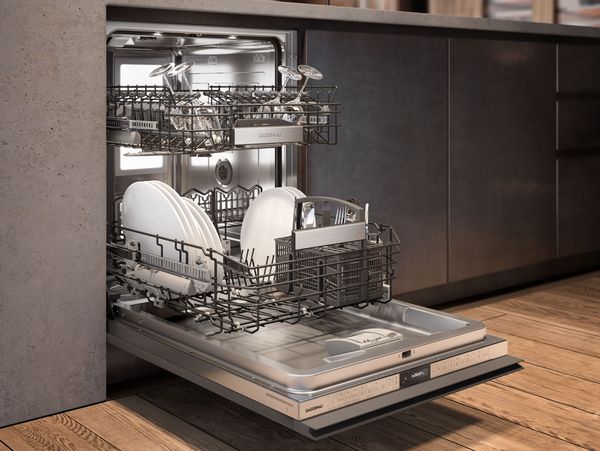
Why Is My Dishwasher Suddenly Leaving Food Particles?
Your dishwasher is likely leaving food particles due to a few common culprits, most often a clogged filter, blocked spray arms, or improper loading techniques that obstruct water flow. Before you can fix the problem, you need to play detective and figure out what’s going wrong inside that big metal box.
Think of your dishwasher as a high-powered car wash for your plates. If the jets are clogged or the drain is blocked, you’re just spraying dirty water around. Here are the most common reasons your dishes aren’t coming out clean:
- A Clogged Filter: This is the number one suspect. The filter is designed to catch large food particles, but if it gets overloaded, it can’t do its job.
- Blocked Spray Arms: The arms that spin and shoot water can get clogged with food debris or mineral deposits, preventing them from spraying effectively.
- Improper Loading: This is a huge one. If you overcrowd the dishwasher or block the spray arms with large pots, water can’t reach every surface.
- The Wrong Detergent or Cycle: Using too little detergent, the wrong kind for your water type, or a cycle that’s too short for a heavily soiled load can lead to poor results.
- Low Water Temperature: Dishwashers need hot water (around 120°F or 49°C) to dissolve detergent and effectively break down grease and food.
- Hard Water Mineral Buildup: Over time, minerals from hard water can build up inside your machine, affecting its performance and leaving a chalky residue on dishes.
How to Stop Dishwasher From Leaving Food Particles: A Step-by-Step Guide
Ready to roll up your sleeves? Tackling this issue is a process of elimination. Start with the easiest fixes first. I promise, these steps are simple enough for anyone to do.
Step 1: Master the Art of Loading a Dishwasher
Before you even think about taking anything apart, let’s look at how you’re loading the dishes. It’s less about a perfect puzzle and more about efficient water flow.
- Don’t Pre-Rinse, But Do Scrape: Modern detergents have enzymes that are designed to cling to and break down food particles. If you pre-rinse everything, the detergent has nothing to work on. However, you should scrape off large chunks of food.
- Give ‘Em Space: Overcrowding is a performance killer. Dishes need space for the hot, soapy water to circulate. Make sure plates aren’t touching and that you don’t have bowls nesting inside each other.
- Bottom Rack Strategy: This is for your heavier items—plates, pots, and pans. Face the dirtiest surfaces towards the center spray arm. Don’t block the spray arm’s path with a giant lasagna pan.
- Top Rack Finesse: This is home for glasses, mugs, and plastics. Place them upside down so they don’t fill with dirty water.
Step 2: Clean the Filter (The Unsung Hero)
If you do only one thing from this list, make it this. A clean filter is the secret to a happy dishwasher. Most modern dishwashers have a removable filter system at the bottom of the tub.
- Locate and Remove: Look for a cylindrical component at the bottom of your dishwasher, usually under the lower spray arm. Twist it (often counter-clockwise) to unlock and pull it out. It may be a two-part system with a flat coarse filter and a cylindrical fine filter.
- Rinse Thoroughly: Take the filter(s) to the sink and rinse them under hot running water. Use a soft brush (an old toothbrush works great) to gently scrub away any stubborn gunk or greasy film.
- Check the Sump: With the filter removed, peek into the cavity where it sits (the sump). Wipe out any debris you see in there.
- Reinstall Correctly: Place the filter back in and lock it into place. An improperly seated filter won’t work, so make sure it clicks or locks securely.
“I’d say 90% of the service calls I get for dishwashers leaving food particles are solved by simply cleaning the filter. It’s a five-minute job that people forget about, but it’s the most important piece of dishwasher maintenance you can do.”
— David Chen, Lead Appliance Technician at FixItRight Services
Step 3: Unclog the Spray Arms
The spray arms are the workhorses, spinning and blasting water to clean your dishes. If their tiny jet holes are clogged, you’ll get weak, uneven cleaning.
- Check for Spin: Give the upper and lower spray arms a gentle push. They should spin freely. If they don’t, something might be blocking them from underneath (like a tall utensil).
- Inspect the Holes: Look closely at the small holes on the spray arms. See any food debris?
- Clean Them Out: Many spray arms can be removed for easier cleaning (check your manual). Use a toothpick, a paperclip, or a pair of tweezers to poke out any debris from the holes. Rinse the arm under the tap before reinstalling it.
Step 4: Use the Right Detergent and Run a Hot Cycle
Not all detergents are created equal, and not every cycle is right for the job.
- Choose a Quality Detergent: High-quality detergent packs or tablets often outperform gels and powders, as they contain a pre-measured, multi-action formula. We’ve seen great results with brands like Cascade Platinum Plus or Finish Quantum.
- Use a Rinse Aid: If you have hard water, a rinse aid is non-negotiable. It helps water sheet off dishes, preventing spots and improving drying.
- Select the Right Cycle: Don’t be afraid to use the ‘Heavy’ or ‘Pots & Pans’ cycle for very dirty loads. The ‘Normal’ cycle is great for everyday, but it may not have the power to tackle baked-on messes. The ‘Auto’ cycle is also a great option, as it uses sensors to adjust the time and water temperature.
|
Our Picks for the Best Dishwasher in 2026
As an Amazon Associate, we earn from qualifying purchases.
|
||
| Num | Product | Action |
|---|---|---|
| 1 | AIRMSEN Countertop Dishwasher - 8 Programs and 3 Useful Functions, Integrated Water Softener, Delayed Start, Child Lock, No Hookup Needed, Portable Mini Size for Home, Apartments & RVs |

|
| 2 | EUHOMY Countertop Dishwasher Portable with 6 Programs, 5L Built-in Water Tank for Apartments, 167℉ High-Temp, No Hookup Needed, Mini Dishwasher with Baby Care, Air Dry/Quick/ECO/Fruit/Normal, White |
|
| 3 | AIRMSEN Countertop Dishwasher Complete 2-Level Rack, Portable Dishwashers with 5L Built-in Water Tank, 3-Spray Arms & 12H Delay Start, No Hookup Needed, A01, White |
|
| 4 | NOVETE Portable Countertop Dishwashers, Compact Dishwashers with 5L Built-in Water Tank & Inlet Hose, 5 Washing Programs, Baby Care, Air-Dry Function and LED Light for Small Apartments |
|
| 5 | BLITZHOME Portable Dishwasher Countertop, WIFI Smart Dishwasher, Compact Dishwashers with 5L Built-in Water Tank, 6 Programs, 360° Dual Spray, High-Temp& Air-Dry Function, Fruit Cleaning |
|
| 6 | COMFEE\' Portable Mini Dishwasher Countertop with 5L Built-in Water Tank for Apartments& RVs, No Hookup Needed, 6 Programs, 360° Dual Spray, 162℉ High-Temp& Air-Dry Function |
|
| 7 | EUHOMY Countertop Dishwasher Portable with 6 Programs, 5L Built-in Water Tank for Apartments & RV, 167℉ High-Temp, No Hookup Needed, Mini Dishwasher with Baby Care, Air Dry/Quick/ECO/Fruit/Normal Mode |
|
| 8 | AIRMSEN Portable Countertop Dishwashers, 5 Washing Programs Mini Dishwashers with 5 L Built-in Water Tank and Double-layered Glass Door, No Hookup Needed for Home, Apartments & RVs |
|
| 9 | AIRMSEN Portable Countertop Dishwashers, 5 Washing Programs Mini Dishwashers with 5 L Built-in Water Tank and Double-layered Glass Door, No Hookup Needed for Home, Apartments & RVs |
|
| 10 | COMFEE\' Portable Dishwasher Countertop with 5L Built-in Water Tank, No Hookup Needed, 6 Programs, 360° Dual Spray, 192℉ High-Temp& Air-Dry Function, Mini Dishwasher for RVs, White |
|
Step 5: Boost Your Water Temperature
Your dishwasher is only as good as the water it uses.
- Run the Tap: Before starting the dishwasher, run the hot water at your kitchen sink until it gets steamy. This ensures the first fill cycle starts with hot water immediately, rather than waiting for it to travel from your water heater.
- Check Your Water Heater: For optimal performance, your home’s water heater should be set to deliver water at around 120°F (49°C).
Proactive Dishwasher Maintenance for Sparkling Dishes
Once you’ve solved the immediate problem, a little routine care will prevent it from happening again. Think of it as a tune-up for one of the hardest-working appliances in your home.
- Monthly Filter Check: Make it a habit to check and rinse your filter once a month.
- Quarterly Deep Clean: Every few months, run an empty cycle with a dedicated dishwasher cleaner, like Affresh, to descale mineral deposits and clear out any hidden grease.
- Wipe the Gasket: Periodically wipe down the rubber seal around the door to prevent mold and mildew buildup.
Frequently Asked Questions (FAQ)
Q1: Do I really need to stop pre-rinsing my dishes?
A: Yes, for the most part. Scrape off large food items, but leave the small, stuck-on bits. Modern dishwasher detergents contain enzymes that are designed to attach to food. If there’s no food, the enzymes can’t work as effectively, and over time, they can even cause etching on glassware.
Q2: How often should I clean my dishwasher filter?
A: For an average family, a good rule of thumb is to rinse the filter once a month. If you frequently wash heavily soiled dishes or notice any decline in performance, check it more often. It only takes a few minutes and makes a huge difference.
Q3: Can using too much detergent leave a residue on my dishes?
A: Absolutely. Using too much detergent, especially powder or gel, can create an excess of suds that the dishwasher can’t fully rinse away. This leaves a chalky or gritty film. Always follow the manufacturer’s instructions for your specific detergent.
Q4: What’s the best way to load silverware to get it clean?
A: For the best results, mix it up! Place some utensil handles up and some handles down in the basket. This prevents spoons from “nesting” together and ensures water can reach all surfaces. Just be sure to place sharp knives with the handle up for safety.
Q5: Why are my glasses coming out cloudy instead of with food particles?
A: Cloudy glasses are typically caused by one of two things: hard water mineral deposits or etching. If the film can be removed with vinegar, it’s hard water. Using a rinse aid will solve this. If the cloudiness is permanent and the glass feels rough, it’s etching, which is irreversible damage.
The Final Rinse
Finding food on your supposedly clean dishes is a solvable problem. By following these steps, you can transform your dishwasher’s performance from disappointing to dazzling. In almost every case, the solution lies in better loading habits and basic, regular maintenance. You now have the knowledge of how to stop your dishwasher from leaving food particles and can reclaim the convenience and hygiene it was designed to provide. A little effort goes a long way toward ensuring every plate, glass, and fork comes out perfectly clean, every single time.