Let’s be honest, you’re standing in the appliance aisle, staring at a wall of stainless steel. On one end, a perfectly reasonable dishwasher for a few hundred dollars. On the other, a gleaming, feature-packed marvel that costs as much as a used car. The question inevitably pops into your head: Are Expensive Dishwashers Worth It? As someone who has seen, tested, and taken apart more dishwashers than I can count, I can tell you the answer isn’t a simple yes or no. It’s about understanding what you’re really paying for and if those benefits align with your life.
This isn’t just about a brand name. The price gap between a basic and a premium model reflects real differences in engineering, materials, and performance. So, let’s pull back the curtain and break down where your extra money goes, and help you decide if a high-end dishwasher is a smart investment or just an expensive kitchen ornament.
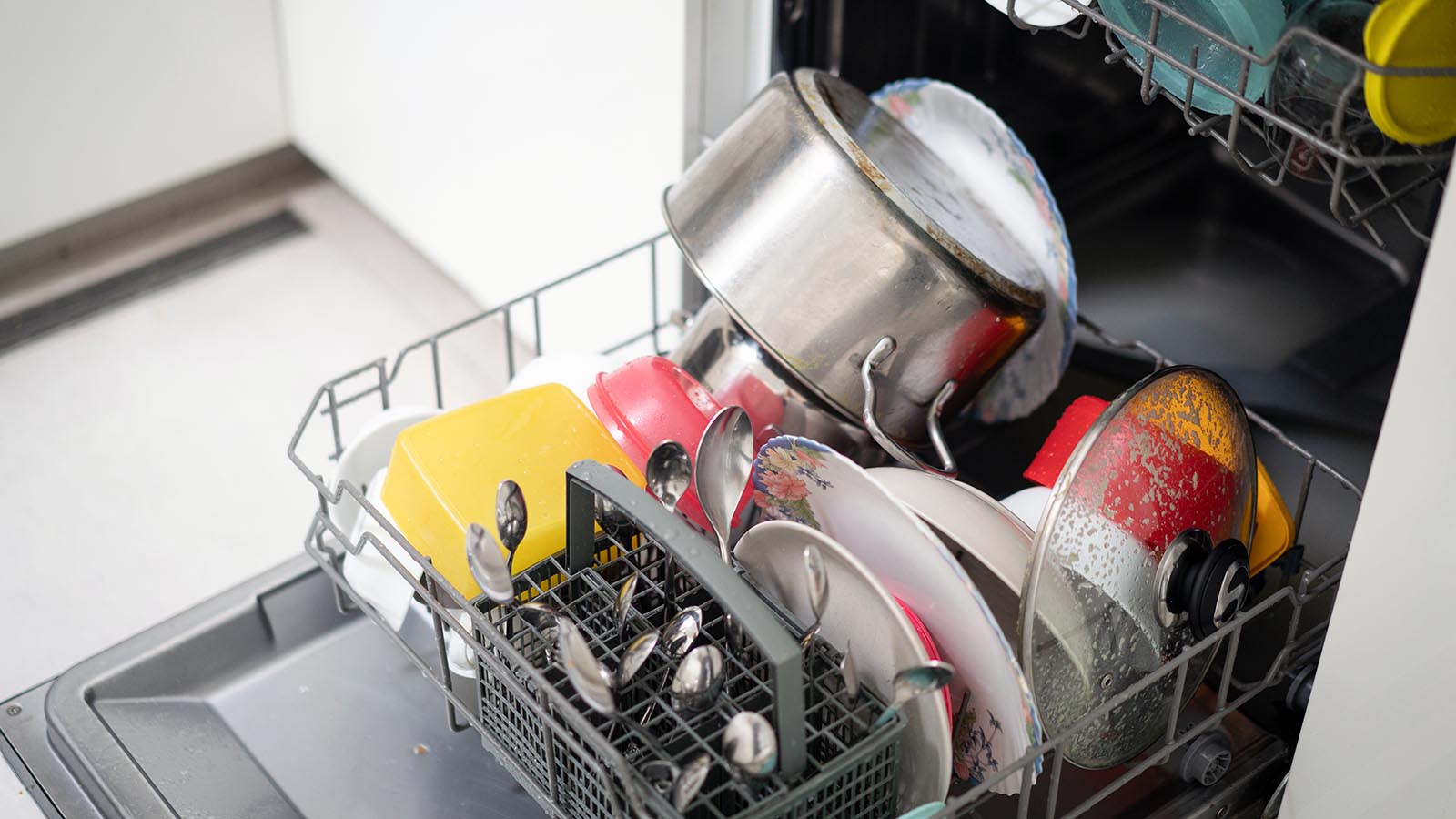
What Exactly Are You Paying For?
When you jump from a budget model to a premium one, you’re buying into a whole different class of appliance. It’s like comparing a basic sedan to a luxury car. Both will get you from A to B, but the experience, comfort, and performance are worlds apart. Here’s the deal on what premium dishwashers deliver.
Superior Cleaning Performance
This is the big one. At the end of the day, a dishwasher has one primary job: to get your dishes sparkling clean. Expensive models excel here thanks to advanced technology.
- Advanced Spray Arms: Forget the simple, spinning arms of old. High-end models often feature more complex spray patterns, satellite spray arms that reach every corner, or high-pressure jets specifically designed to blast baked-on food off casserole dishes.
- Soil Sensors: This is a game-changer for efficiency and effectiveness. These sensors detect how dirty your dishes are in real-time and adjust the water usage and cycle time accordingly. No more running a heavy-duty cycle for lightly soiled plates.
- Specialized Wash Zones: Many premium dishwashers have dedicated areas with targeted sprays for pots and pans or gentle zones for delicate glassware, all within the same load.
Whisper-Quiet Operation
Have you ever had to turn up the TV volume when your old dishwasher kicks on? This is one of the most significant quality-of-life improvements you get with a premium model. Noise levels are measured in decibels (dBA).
- Budget Models: Often run at 55 dBA or higher, which is as loud as a normal conversation.
- Mid-Range Models: Typically fall in the 45-50 dBA range.
- Premium Models: Can be as quiet as 38-44 dBA. That’s quieter than a library. You might literally have to put your ear to the door to know it’s running.
This is a non-negotiable feature for those with open-concept living spaces or who like to entertain.
As John Carter, a veteran appliance technician with over 20 years of experience, often says: “I get far fewer service calls for noise complaints on premium models. The insulation, motor quality, and overall construction are just on another level. They’re built to be silent and to last.”
Build Quality and Durability
You can feel the difference the moment you open the door.
- Tub Material: The most significant upgrade is the stainless steel tub. Unlike the plastic tubs found in cheaper models, stainless steel is more durable, resists stains and odors, and improves drying performance by retaining heat.
- Racks and Tines: The racks in an expensive dishwasher glide smoothly on ball bearings instead of flimsy plastic wheels. The tines are often adjustable, foldable, or coated in a soft-touch material to protect your dishes.
- Longevity: Better motors, better seals, and better overall engineering mean a premium dishwasher is designed to withstand a decade or more of heavy use, often with fewer repairs than its budget counterpart.
Advanced Features and Flexibility
This is where the “bells and whistles” come in, but many are genuinely useful and can transform your dishwashing routine.
- The Third Rack: Once a luxury, now a must-have for many. This shallow top rack is perfect for silverware, long utensils, and small ramekins, freeing up a ton of space in the bottom rack.
- Adjustable Everything: Premium models offer incredible flexibility. You can raise or lower the middle rack to accommodate tall items, fold down tines to fit bulky pots, and customize the interior for almost any type of load.
- Smart Features (Wi-Fi Connectivity): Get notifications on your phone when a cycle is done, start a wash remotely, or download specialized cycles for specific needs. It’s a convenience that, once you have it, is hard to live without.
- Enhanced Drying Systems: Many high-end models use fan-assisted drying or even a feature that automatically pops the door open at the end of the cycle to release steam and let dishes air dry perfectly, eliminating water spots.
The Point of Diminishing Returns: When is a Dishwasher Too Expensive?
Here’s the crucial part of the conversation. While a jump from a $400 to a $900 dishwasher brings massive improvements, the jump from $1,500 to $2,500 offers more subtle refinements. The “sweet spot” for most homeowners is typically in the mid-to-upper-mid range.
In this range, you get the most important features: a stainless steel tub, a quiet dBA rating (around 44-48 dBA), a third rack, and excellent cleaning performance.
What do you get for even more money?
- Ultra-quiet performance (below 40 dBA).
- Panel-ready designs that seamlessly integrate with your cabinetry.
- Advanced interior lighting.
- Brand prestige (think Miele, Gaggenau).
For most people, these ultra-premium features are luxuries, not necessities.
So, Are Expensive Dishwashers Worth It For You?
The answer lies in your lifestyle, your home, and your budget. A high-end dishwasher is a fantastic investment, but only if you will truly benefit from its premium features.
Here’s a quick guide to help you decide:
- You Live in an Open-Concept Home: If your kitchen flows into your living room, a quiet dishwasher is essential. The peace and quiet of a sub-45 dBA model is absolutely worth the extra cost.
- You Are a Busy Family or Entertain Often: If you’re constantly running the dishwasher, the durability, flexible loading options, and superior cleaning of a premium model will save you time and frustration. The third rack alone can be a game-changer for large loads.
- You Value “Buy It for Life” Quality: If you hate the idea of replacing appliances every 5-7 years, investing in a well-built machine with a stainless steel tub and a reputable track record for longevity makes financial sense in the long run.
- You Have a Mix of Delicate and Heavy-Duty Items: If you wash everything from fine china and wine glasses to heavily soiled pots and pans, the specialized cycles and wash zones of an advanced model will provide better care and better results.
On the other hand, if you live alone, run the Dishwasher Only a few times a week, and have a closed-off kitchen, a reliable mid-range model will likely serve you perfectly well without breaking the bank.
A Few Pro Tips Before You Buy
- Measure Twice, Buy Once: Make sure you know the exact dimensions of your space, including height, width, and depth.
- Read Real-World Reviews: Look beyond the marketing. See what actual owners are saying about cleaning performance, noise, and reliability on sites like Consumer Reports or CNET.
- Consider Dishwasher Maintenance: No matter how much you spend, proper care is key. A well-maintained mid-range unit will outperform a neglected high-end one.
- Look for Sales: You can often find premium models at a significant discount during holiday sales events like Black Friday or President’s Day.
Frequently Asked Questions (FAQ)
Q: What is a good decibel (dBA) rating for a dishwasher?
A: Anything below 50 dBA is considered quiet. For a truly peaceful kitchen, especially in an open-concept home, look for models rated at 45 dBA or lower. The quietest models on the market can go below 40 dBA.
Q: Is a third rack in a dishwasher really worth it?
A: For most people, yes. A third rack provides a dedicated space for silverware, large utensils, and small items, which frees up significant room in the lower rack for more plates, bowls, and pots. It makes loading and unloading a dishwasher much more efficient.
Q: How long should an expensive dishwasher last?
A: With proper maintenance, a high-quality, expensive dishwasher should last 10 to 15 years, and sometimes even longer. This is often several years longer than the average lifespan of a budget model, which helps offset the initial higher cost.
Q: Do expensive dishwashers save more water and energy?
A: Yes, they often do. Many premium models feature advanced soil sensors that adjust water and energy usage based on how dirty the dishes are. They are almost always ENERGY STAR certified and can be more efficient than budget models that run the same heavy cycle for every load.
Q: Is a stainless steel tub better than a plastic one?
A: Absolutely. A stainless steel tub is more durable, resists stains and odors, is quieter, and improves drying performance by retaining heat. While it adds to the cost, it’s one of the most worthwhile upgrades you can get in a dishwasher.
The Final Verdict
So, are expensive dishwashers worth it? For many households, the answer is a resounding yes. You’re not just paying for a brand; you’re investing in a quieter home, cleaner dishes, a more durable appliance, and daily conveniences that reduce chores and frustration. While there is a point of diminishing returns, upgrading from a basic model to a quality, feature-rich dishwasher is one of the most impactful improvements you can make in your kitchen. The key is to evaluate your own needs and find the machine whose features will genuinely make your life easier.