Let’s be honest, no one enjoys the nightly ritual of scrubbing pots and pans. If you live in an apartment, a rental home, or just have a kitchen that’s a bit on the cozy side, you might think a dishwasher is a luxury you can’t have. But what if I told you there’s a solution that doesn’t involve a single cabinet demolition? Finding the Best Portable Dishwasher can be a total game-changer, giving you back hours of your time and giving your hands a well-deserved break.
But where do you even start? These clever appliances on wheels can seem a little mysterious. Do they work as well as built-in models? Is the setup a huge hassle? Don’t worry, we’re here to demystify it all. In this guide, we’ll walk you through everything you need to know to choose, use, and love your new kitchen sidekick.
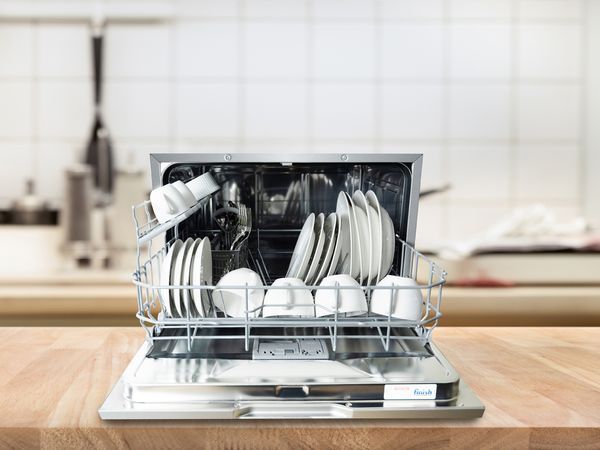
What Exactly Is a Portable Dishwasher and How Does It Work?
A portable dishwasher is a freestanding, self-contained unit, typically on wheels, that you can roll over to your sink when it’s time to do the dishes. Think of it as a temporary kitchen assistant. You don’t need any custom plumbing or permanent installation, which is why it’s a renter’s dream.
So, how does the magic happen? It’s actually quite simple:
- The Water Inlet: The machine comes with a special hose and a “quick-connect” adapter. You simply screw this adapter onto the aerator threads of your kitchen faucet. When you’re ready to run a cycle, you snap the hose onto this adapter.
- The Drain Hose: A second hose, usually bundled with the inlet hose, rests inside your sink. This is where the dirty water drains out during the cycle.
- The Power: You just plug it into a standard wall outlet.
That’s it! When the cycle is done, you un-snap the hose, unplug the machine, and roll it back into its storage spot. You get all the cleaning power of a traditional dishwasher without the commitment.
A Common Myth, Busted: “I’ve heard they just don’t clean as well.” I hear this all the time. But let’s set the record straight. Modern portable dishwashers use the same pumps, spray arms, and heating elements as their built-in cousins. When loaded correctly, they deliver an equally sparkling clean.
Why You Might Need the Best Portable Dishwasher in Your Life
Still on the fence? Let’s talk about who really benefits from one of these machines. If you nod along to any of these points, a portable dishwasher might be your perfect match.
- You’re a Renter: This is the big one. You can’t make permanent changes to your kitchen, but you can certainly roll in an appliance that leaves with you. It’s an investment in your sanity that you can take to your next home.
- Your Kitchen is Tiny: When cabinet and counter space are at a premium, a built-in model is often out of the question. A portable dishwasher can be stored in a pantry, a utility closet, or a corner of the dining area when not in use.
- You’re on a Budget: While not always cheaper than the most basic built-in models, you completely avoid the added cost and hassle of professional installation and plumbing work, which can save you hundreds of dollars.
- You Value Flexibility: Maybe you’re planning a kitchen remodel down the line. A portable unit can serve you now and can sometimes even be converted into a built-in unit later with a special kit.
Key Features to Look for When Choosing Your Portable Dishwasher
Alright, you’re convinced. But not all portable dishwashers are created equal. Navigating the options can be tricky, so let’s break down the most important features to consider.
Size and Capacity: How Many Dishes Can It Handle?
Portable dishwashers typically come in two standard widths: 18 inches and 24 inches.
- 18-inch models: These are the perfect solution for individuals, couples, or very small kitchens. They can typically hold around 6 to 8 standard place settings. A “place setting” usually includes a dinner plate, a small plate, a bowl, a glass, and cutlery.
- 24-inch models: If you have a small family or entertain guests, this is the size for you. They offer a capacity similar to many standard built-in dishwashers, holding 10 to 12 place settings. They can easily handle pots and pans, too.
Pro-tip: Before you fall in love with a model, measure the space where you plan to store it and the path to your sink to make sure it will fit comfortably.
Wash Cycles and Options: More Than Just ‘On’ and ‘Off’
Don’t assume “portable” means “basic.” Many models come packed with useful features. Look for a machine that offers a variety of cycles to match your needs:
- Normal Wash: Your everyday cycle for moderately soiled dishes.
- Heavy or Pots & Pans: Uses higher temperatures and more water pressure for baked-on messes.
- Eco or Light Wash: A shorter, lower-temperature cycle for lightly soiled dishes, saving on energy and water.
- Rinse Only: A quick spray to keep food from drying on plates if you aren’t ready to run a full load.
Bonus features to watch for include a Sanitize option (great for baby bottles or cutting boards), Heated Dry, and a Delay Start timer, which lets you run the dishwasher overnight when electricity rates might be lower.
Energy Efficiency: Saving Money and the Planet
Washing dishes by hand can use up to 27 gallons of water per load. A modern, efficient dishwasher? It can use as little as 3 gallons. To make sure you’re getting a truly efficient machine, look for the ENERGY STAR label. These models are certified to use less water and electricity than standard models, which is good for the environment and your utility bills.
The Faucet Connection: Will It Fit My Sink?
This is arguably the most critical checkpoint. Most portable dishwashers are designed to connect to standard kitchen faucets with a threaded aerator. However, they are often not compatible with pull-down or sprayer-style faucets without a special adapter, which may need to be purchased separately.
Before you buy, unscrew the aerator on your faucet to check if it has internal or external threads. This will save you a massive headache later on.
How to Properly Use and Maintain Your Portable Dishwasher
Getting the best portable dishwasher is only half the battle; using it correctly is key to getting that perfect clean every time. I learned this the hard way after a few loads in my first apartment came out less than sparkling.
Loading It Like a Pro
A few simple rules can make a world of difference:
- Don’t overcrowd: Water needs to circulate freely. If you have to force a dish in, take it out.
- Face the spray: Place the dirtiest surfaces of your dishes facing the center, towards the spray arm.
- Top and bottom rack etiquette: Put plastics and more delicate items on the top rack where the heat is less intense. Pots, pans, and sturdy plates go on the bottom.
- Don’t block the arms: Make sure no tall items or rogue utensils are blocking the spray arms from spinning. Give them a gentle push before starting the cycle.
Simple Maintenance for a Long Life
Keeping your machine in top shape is easy and takes just a few minutes a month.
- Clean the Filter: This is the most important step! Most models have a filter at the bottom of the tub that traps food particles. Rinse it under warm water once a week to prevent clogs and odors.
- Check the Spray Arms: Occasionally, check the little holes on the spray arms for bits of food or mineral buildup. A toothpick or pin can clear them out.
- Wipe the Seals: Use a damp cloth to wipe down the rubber gasket around the door to prevent mildew.
- Run a Cleaning Cycle: Once a month, run an empty cycle on the hottest setting with a specialized dishwasher cleaner or a cup of white vinegar placed in a bowl on the top rack. This helps descale the interior and keep it fresh.
“The biggest mistake I see people make with portable dishwashers is neglecting the filter,” says David Chen, a lead appliance technician with over 15 years of experience. “They call me complaining about poor cleaning or bad smells, and 9 times out of 10, a clogged filter is the culprit. It’s a two-minute fix that can save you a service call.”
Frequently Asked Questions (FAQ)
Do portable dishwashers clean as well as built-in ones?
Yes, absolutely. A quality portable dishwasher uses the same washing technology as a built-in model of the same brand. As long as you load it correctly and use the right detergent, you can expect the same sparkling results.
How much water does a portable dishwasher use?
A modern, ENERGY STAR certified portable dishwasher uses a surprisingly small amount of water, typically between 3 and 5 gallons per cycle. This is significantly less than the amount used when washing the same number of dishes by hand.
Can I use a portable dishwasher with a pull-down faucet?
It can be tricky. Most standard quick-connect adapters are not designed for pull-down or sprayer-head faucets. You may need to purchase a specific adapter from the manufacturer or a hardware store to make it work. Always check compatibility before buying.
Do I need special detergent for a portable dishwasher?
No, you don’t need a “special” detergent, but you must use a detergent specifically made for automatic dishwashers. Never, ever use regular liquid dish soap (like you use for hand-washing), as it will create a mountain of suds that will overflow and potentially damage your machine and your floor. You can use any high-quality pods, powders, or gels designed for dishwashers.
How long do portable dishwashers last?
With proper care and maintenance, a good quality portable dishwasher can last for 8 to 12 years, which is comparable to the lifespan of many built-in models. Regular filter cleaning is the single best thing you can do to extend its life.
The Final Word on Your Dishwashing Freedom
For too long, people in smaller living spaces have been stuck at the sink, dreaming of the convenience a dishwasher offers. A portable dishwasher isn’t just an appliance; it’s a ticket to more free time, a cleaner kitchen, and more hygienic dishes. They are powerful, efficient, and wonderfully flexible.
Choosing the best portable dishwasher comes down to understanding your space, your needs, and the key features that deliver real value. By focusing on the right size, essential wash cycles, and ensuring it connects to your sink, you can find a reliable machine that will serve you well for years to come. So go ahead, reclaim your evenings and let a machine do the dirty work.