Let’s be real, nobody enjoys staring at a sink piled high with dirty dishes after a great meal. It’s the universal buzzkill. That’s where a dishwasher swoops in like a kitchen superhero. But learning How To Choose A Dishwasher can feel overwhelming with all the jargon, features, and brands out there. Are you supposed to know what a “soil sensor” is? Or why decibel ratings matter? Don’t worry, you’ve come to the right place. We’re going to cut through the noise, break down everything you need to know, and help you find your kitchen’s new best friend.
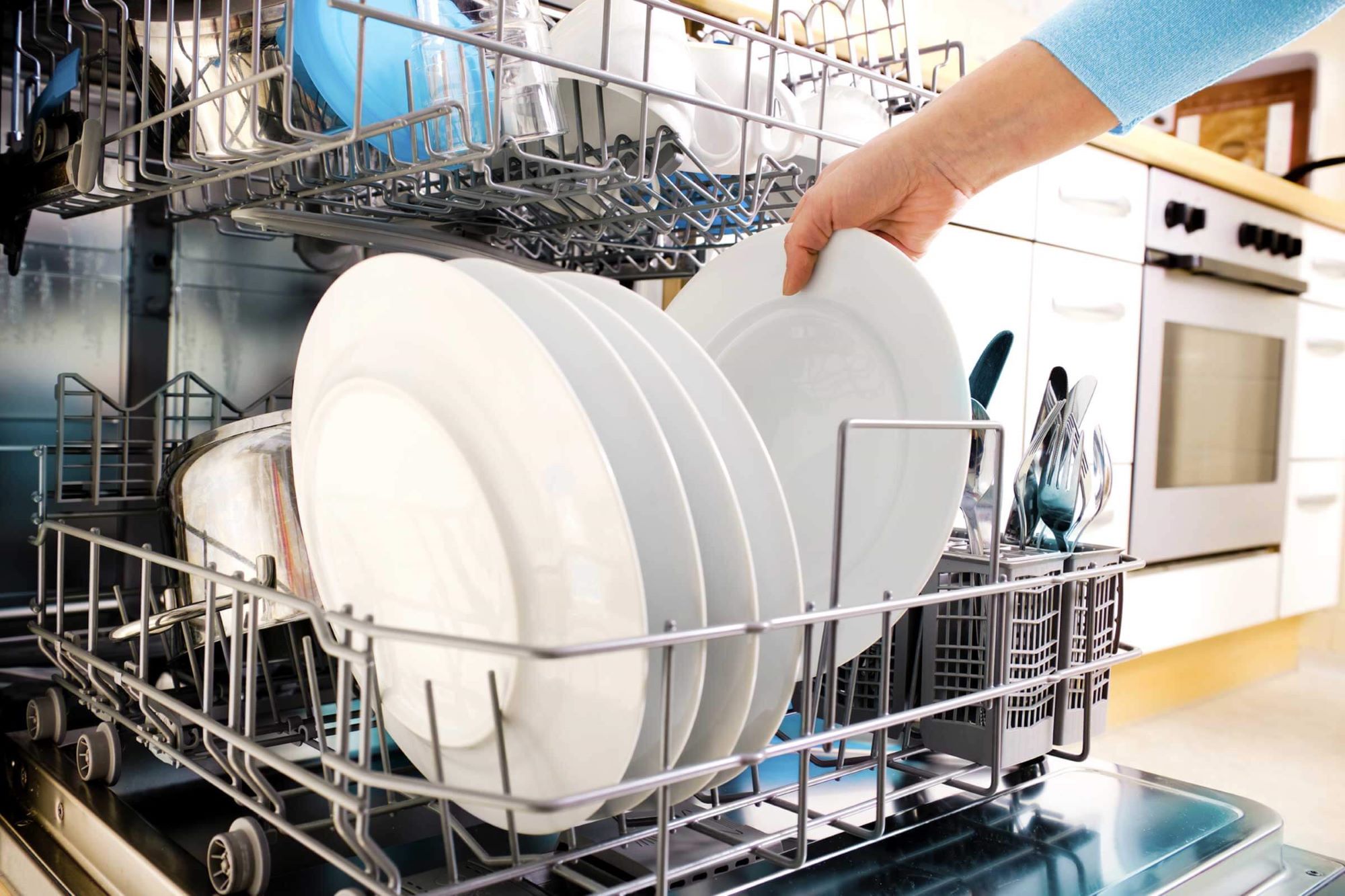
First Things First: Sizing Up Your Space and Needs
Before you get dazzled by shiny stainless steel and fancy features, let’s tackle the basics. Getting this part right is non-negotiable, a bit like measuring your feet before buying shoes.
Dishwasher Types: Built-in, Freestanding, or Countertop?
Your kitchen layout will be the main decider here. You’ve got three main options:
- Built-in Dishwashers: This is the most common type. They slide neatly into a dedicated space under your countertop, usually next to the sink. Think of them as custom-fit furniture for your kitchen; they provide a seamless, integrated look. They are typically 24 inches wide.
- Freestanding Dishwashers: These are less common in modern kitchens but are a great option if you don’t have a dedicated cabinet space. They are finished on all sides and can be placed anywhere you have a water and drain connection.
- Countertop/Portable Dishwashers: Perfect for renters, small apartments, or anyone without the space for a full-sized unit. These compact powerhouses sit on your countertop and connect directly to your faucet.
Capacity: How Many Place Settings Do You Need?
Dishwasher capacity is measured in “place settings.” But what does that even mean? A standard place setting typically includes a dinner plate, a small plate, a bowl, a glass, and cutlery.
- Standard (24-inch): Holds 12 to 16 place settings. Ideal for families of four or more, or if you entertain often.
- Compact (18-inch): Holds around 8 to 10 place settings. A great solution for couples, small families, or kitchens with limited space.
- Countertop: Typically holds 4 to 6 place settings. Perfect for one or two people.
My advice? When in doubt, go slightly bigger than you think you need. There’s nothing more frustrating than running a half-empty load or having to wash the last few pots by hand.
The Core Features That Actually Matter
Now for the fun part. Let’s talk about the technology that separates a decent dishwasher from a great one. These are the features that directly impact how clean and dry your dishes get.
Cleaning Performance: It’s All About the Wash Arms and Jets
The heart of a dishwasher is its ability to, well, wash dishes. Look for models with at least two or three spray arms. More advanced models feature targeted jets for hard-to-clean items like bottles or casserole dishes. Some brands have unique systems, like Bosch’s PowerControl spray arm or LG’s QuadWash with four arms instead of two, which provide better coverage.
A stainless steel tub is also a worthy upgrade over a plastic one. It’s more durable, resists stains and odors, and can handle higher water temperatures, which aids in both cleaning and drying.
Drying Technology: From Heated Dry to Zeolite
How your dishwasher dries is just as important as how it washes. Nobody wants to hand-dry “clean” dishes.
- Heated Dry: A traditional method using a heating element, like a small oven. It’s effective but uses more energy.
- Condensation Dry: Common in European brands, this method uses the hot rinse at the end of the cycle to create condensation on the cooler stainless steel tub, pulling water off the dishes. It’s very energy-efficient but can leave plastics a bit wet.
- Auto-Open Door: At the end of the cycle, the door automatically pops open a few inches to let steam escape and air circulate, speeding up drying naturally.
- Zeolite Technology: A premium feature found in high-end models. Zeolite is a mineral that absorbs moisture and releases heat, resulting in perfectly dry dishes—even plastics—with minimal energy use.
Noise Levels: How Quiet is Quiet? (The Decibel Deep Dive)
If your kitchen opens into your living area, this is a huge deal. I’ve seen countless homeowners regret buying a loud dishwasher that sounds like a jet engine during movie night. Dishwasher noise is measured in decibels (dBA).
- 50 dBA and above: You’ll definitely hear it running. It’s comparable to a normal conversation.
- 45-49 dBA: Noticeably quieter. You’ll know it’s on, but it won’t be intrusive.
- Below 44 dBA: This is considered whisper-quiet. You might have to check the indicator light to even know it’s running. These are perfect for open-concept homes.
|
Our Picks for the Best Dishwasher in 2026
As an Amazon Associate, we earn from qualifying purchases.
|
||
| Num | Product | Action |
|---|---|---|
| 1 | COMFEE\' Portable Dishwasher Countertop with 5L Built-in Water Tank, No Hookup Needed, 6 Programs, 360° Dual Spray, 192℉ High-Temp& Air-Dry Function, Mini Dishwasher for RVs, White |

|
| 2 | BLITZHOME Portable Dishwasher Countertop, WIFI Smart Dishwasher, Compact Dishwashers with 5L Built-in Water Tank, 6 Programs, 360° Dual Spray, High-Temp& Air-Dry Function, Fruit Cleaning |
|
| 3 | EUHOMY Countertop Dishwasher Portable with 6 Programs, 5L Built-in Water Tank for Apartments, 167℉ High-Temp, No Hookup Needed, Mini Dishwasher with Baby Care, Air Dry/Quick/ECO/Fruit/Normal, White |
|
| 4 | AIRMSEN Countertop Dishwasher Complete 2-Level Rack, Portable Dishwashers with 5L Built-in Water Tank, 3-Spray Arms & 12H Delay Start, No Hookup Needed, A01, White |
|
| 5 | AIRMSEN Portable Countertop Dishwashers, 5 Washing Programs Mini Dishwashers with 5 L Built-in Water Tank and Double-layered Glass Door, No Hookup Needed for Home, Apartments & RVs |
|
| 6 | EUHOMY Countertop Dishwasher Portable with 6 Programs, 5L Built-in Water Tank for Apartments & RV, 167℉ High-Temp, No Hookup Needed, Mini Dishwasher with Baby Care, Air Dry/Quick/ECO/Fruit/Normal Mode |
|
| 7 | AIRMSEN Countertop Dishwasher - 8 Programs and 3 Useful Functions, Integrated Water Softener, Delayed Start, Child Lock, No Hookup Needed, Portable Mini Size for Home, Apartments & RVs |
|
| 8 | COMFEE\' Portable Mini Dishwasher Countertop with 5L Built-in Water Tank for Apartments& RVs, No Hookup Needed, 6 Programs, 360° Dual Spray, 162℉ High-Temp& Air-Dry Function |
|
| 9 | AIRMSEN Portable Countertop Dishwashers, 5 Washing Programs Mini Dishwashers with 5 L Built-in Water Tank and Double-layered Glass Door, No Hookup Needed for Home, Apartments & RVs |
|
| 10 | NOVETE Portable Countertop Dishwashers, Compact Dishwashers with 5L Built-in Water Tank & Inlet Hose, 5 Washing Programs, Baby Care, Air-Dry Function and LED Light for Small Apartments |
|
Navigating the Bells and Whistles: Cool Tech or Gimmicks?
Beyond the core functions, modern dishwashers are packed with extra features. Here’s a rundown of which ones are worth your money.
Third Racks: The Silverware Game-Changer
This is one of my favorite innovations. A slim rack at the very top of the dishwasher, it’s designed for silverware, long utensils, and small items like espresso cups. It frees up a ton of space on the bottom rack by eliminating the bulky silverware basket. Highly recommended.
Adjustable Racks and Tines
Flexibility is key. Look for models with an adjustable upper rack that can be raised or lowered to accommodate tall glasses or bulky pots in the rack below. Fold-down tines are also incredibly useful, allowing you to configure the space for odd-shaped items.
Soil Sensors and Specialized Cycles
Most mid-range and high-end dishwashers now come with a soil sensor. This feature automatically detects how dirty your dishes are and adjusts the cycle time and water usage accordingly. It’s a fantastic way to improve energy efficiency and get a perfect clean every time. You’ll also find specialized cycles like “Pots & Pans,” “Quick Wash,” and “Sanitize,” which can be very useful.
“A common mistake people make is pre-rinsing their dishes too much,” notes John Carter, a veteran appliance technician with over 20 years of experience. “Modern dishwashers rely on their soil sensors to work effectively. Scrape off the large food scraps, but let the machine and the detergent do the heavy lifting. You’ll save water and get a better clean.”
Let’s Talk About Efficiency and Long-Term Costs
Learning how to choose a dishwasher isn’t just about the upfront price. A more efficient model can save you hundreds of dollars on your water and electricity bills over its lifespan.
Look for the ENERGY STAR certified logo. These models are designed to use less water and energy than standard units without sacrificing performance. Check the yellow EnergyGuide label, which will give you an estimate of the yearly operating cost. Also, consider the long-term health of your machine. Regular dishwasher maintenance, like cleaning the filter, will keep it running efficiently for years. [Read our full guide on dishwasher maintenance here].
Frequently Asked Questions (FAQ)
Q: How long should a dishwasher last?
A: A well-maintained dishwasher should last about 9 to 13 years. The brand, usage frequency, and how well you care for it are all major factors. Regular cleaning and prompt repairs can significantly extend its life.
Q: Is it cheaper to use a dishwasher or hand wash?
A: Surprisingly, using a modern, ENERGY STAR certified dishwasher is almost always more efficient. It uses significantly less water and energy to wash a full load compared to the average person washing the same number of dishes by hand.
Q: Do I really need to use rinse aid?
A: Yes, it’s highly recommended. Rinse aid helps water sheet off your dishes, which dramatically improves drying performance, reduces spots, and leaves glassware sparkling. It’s a small step that makes a big difference.
Q: Can I put my good knives in the dishwasher?
A: It’s best not to. The high heat and harsh detergents can dull the blades, damage wooden handles, and cause them to knock against other items. Always wash your high-quality kitchen knives by hand.
Q: What is the best way of loading a dishwasher?
A: Place heavily soiled items on the bottom rack facing the spray arms. Cups, glasses, and plastics should go on the top rack. Utensils should be mixed, with some handles up and some down, to prevent nesting. Don’t overcrowd the machine, as this blocks water and detergent flow.
Your Perfect Dishwasher Awaits
Choosing a new appliance doesn’t have to be a chore. By focusing on your space, your family’s needs, and the core features that truly impact performance, you can confidently navigate the options. Think about size and capacity first, then prioritize cleaning and drying performance, and choose a noise level that fits your lifestyle. The journey of learning how to choose a dishwasher ends with finding a reliable kitchen partner that gives you back something priceless: time. Now go enjoy that post-dinner relaxation you deserve.