So, you’re deep in the rabbit hole of appliance shopping, and you’ve hit a wall of jargon. Stainless steel tubs, plastic tubs, and now this mysterious middle child: the hybrid tub. If you’re wondering What Is A Hybrid Tub Dishwasher, you’re not alone. It’s one of the most common questions I hear, and frankly, it’s a crucial one. Choosing the right tub material can impact everything from drying performance to your machine’s lifespan and your wallet.
Let’s cut through the marketing noise. As someone who has seen the inside of more dishwashers than I can count, I’m here to give you the straight scoop. We’ll break down exactly what a hybrid tub is, why it exists, and most importantly, if it’s the right choice for your kitchen.
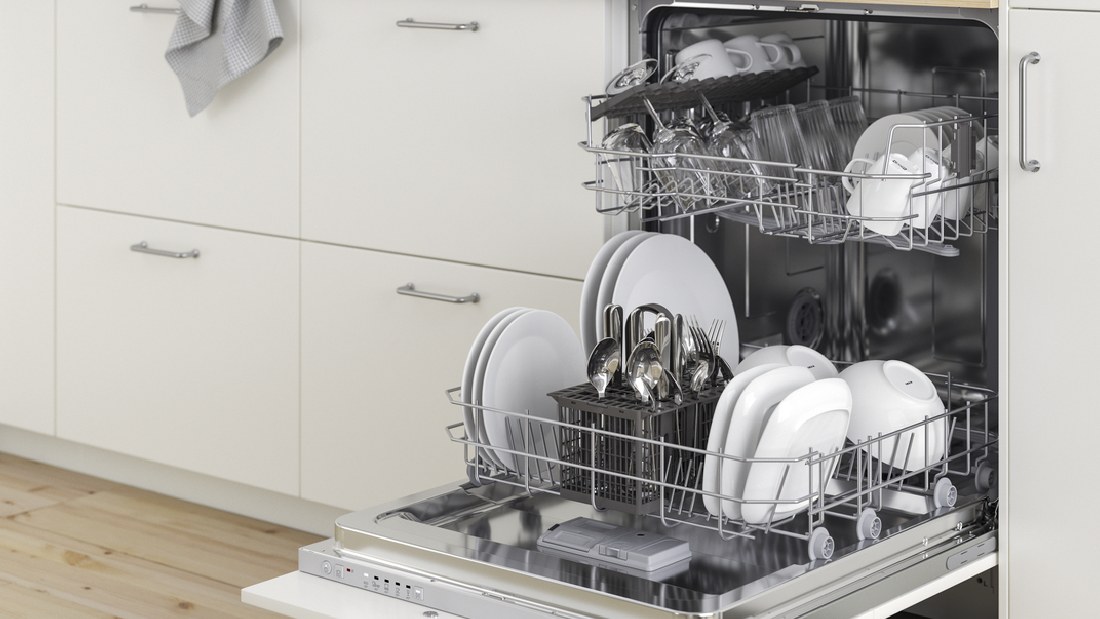
The “Hybrid” Explained: Breaking Down the Basics
At its core, a hybrid tub dishwasher is exactly what it sounds like: a combination of two different materials. Typically, it features a stainless steel interior door and walls paired with a durable plastic or polymer base (tub).
Think of it like a high-quality raincoat: it has a tough, waterproof exterior to handle the elements, but a comfortable, functional lining on the inside. In this case, the stainless steel provides some of the premium benefits you want, while the plastic base helps to keep the overall cost down. It’s a strategic design choice made by manufacturers to offer a middle-ground option between the budget-friendly all-plastic models and the premium all-stainless steel ones.
Why Even Create a Hybrid Tub? The Best of Both Worlds?
The big question is, why bother mixing materials? Manufacturers created the hybrid tub to strike a balance between cost and performance. They aim to give you a taste of the good life (stainless steel) without the full premium price tag. But like any compromise, it comes with its own set of pros and cons.
The Pros: What You Gain with a Hybrid Tub
- Improved Durability: The stainless steel walls are more resistant to high heat than an all-plastic tub. This means they won’t warp or get discolored over time from heated drying cycles or high-temperature washes.
- Better Stain and Odor Resistance: Stainless steel is non-porous. This is a huge win against stubborn tomato sauce stains and lingering fishy smells that can sometimes plague all-plastic tubs. Your dishwasher stays looking and smelling fresher for longer.
- Enhanced Drying (Sort Of): Stainless steel retains heat better than plastic. After the final hot rinse, the hot metal walls help water droplets evaporate more effectively off your dishes. While not as efficient as an all-stainless tub, it’s a definite step up from an all-plastic one.
- A More Affordable Price Point: This is the main event. A what is a hybrid tub dishwasher discussion always comes back to cost. You get some of the key benefits of stainless steel without the full financial commitment, making it an attractive option for budget-conscious homeowners.
The Cons: Where Hybrid Tubs Fall Short
- The Plastic Base: The weak link, if you will. The polymer base is still susceptible to the same issues as an all-plastic tub. It can potentially stain over time and might hold onto odors more than the steel parts. You also have to be careful that a fallen plastic item doesn’t melt on the heating element, which is typically exposed in these models.
- Noise Levels: While the steel walls can help dampen some sound, hybrid models are not typically as quiet as their fully stainless steel counterparts. The plastic base doesn’t have the same sound-insulating properties. You’ll want to check the decibel (dBA) rating, but as a rule, they sit somewhere in the middle.
- Drying Performance is Good, Not Great: Because the base is plastic, it doesn’t retain heat. This means you lose some of that condensation-drying magic you get from a fully stainless tub, where the entire interior acts like a heat sink. You’ll still want to use a rinse aid for the best results.
“I often see homeowners thrilled with their hybrid tub dishwasher. For many families, it’s the sweet spot. They get the stain resistance and a bit of a premium feel without overspending. The key is managing expectations – it’s a fantastic value proposition, not a top-of-the-line machine.”
— David Chen, Veteran Appliance Technician
Hybrid vs. The Competition: A Head-to-Head Comparison
To really understand the value of a hybrid tub, let’s put it side-by-side with its all-plastic and all-stainless steel rivals.
| Feature | All-Plastic Tub | Hybrid Tub | All-Stainless Steel Tub |
|---|---|---|---|
| Price | $ (Most Affordable) | $$ (Mid-Range) | $$$ (Premium) |
| Drying | Fair (Relies on heating element) | Good (Aided by steel walls) | Excellent (Condensation drying) |
| Durability | Good (Can warp/discolor) | Very Good (Steel walls resist) | Excellent (Resists everything) |
| Stain Resistance | Fair (Prone to staining) | Very Good (Steel resists stains) | Excellent (Virtually stain-proof) |
| Odor Resistance | Fair (Can retain odors) | Good (Steel is non-porous) | Excellent (Resists odors) |
| Noise Level | Loudest | Quieter | Quietest |
Who Should Actually Buy a Hybrid Tub Dishwasher?
Now for the million-dollar question: Is a dishwasher with a hybrid tub right for you? It really depends on your priorities and budget.
- The Budget-Conscious Upgrader: If you’re moving on from an ancient, loud, all-plastic model, a hybrid tub will feel like a massive luxury. You’ll get better cleaning, better drying, and a quieter experience without breaking the bank.
- The Practical Family: You cook a lot of pasta with red sauce, and you’re tired of that orange-ish tint in your current plastic tub. A hybrid model gives you the stain-fighting power you need for everyday life at a price that makes sense.
- The Renter or First-Time Homebuyer: You want a reliable, quality appliance that looks good and performs well, but you’re not ready to invest in top-of-the-line models just yet. A hybrid is the perfect, sensible choice.
However, if you prioritize whisper-quiet operation or want the absolute best drying performance possible (especially for plastics), you might be better off saving up for a fully stainless steel model.
Getting the Most Out of Your Dishwasher (Whatever the Tub)
No matter what kind of tub you have, its performance hinges on how you use it. Here are some universal tips to ensure sparkling clean dishes every time:
- Load it Like a Pro: Don’t block the spray arms! Face dirtier surfaces toward the center and avoid nesting spoons and bowls. Check out our complete guide to loading a dishwasher for diagrams and tricks.
- Scrape, Don’t Rinse: Modern dishwashers need a little bit of food residue for the detergent enzymes to work on. Just scrape off the large chunks and let the machine do the rest.
- Clean Your Filter: This is the single most important piece of dishwasher maintenance. Once a month, remove and rinse the filter at the bottom of the tub to prevent clogs and odors.
- Use a Rinse Aid: It’s not a scam! Rinse aid helps water sheet off dishes, which is critical for spot-free results and is especially helpful for improving drying in hybrid and plastic tub models.
- Run a Cleaning Cycle: Every few months, run an empty cycle with a specialized dishwasher cleaner to remove hard water buildup and grease.
Frequently Asked Questions (FAQ)
Q1: Do hybrid tub dishwashers smell bad?
A hybrid tub is less likely to retain odors than an all-plastic model because the stainless steel walls are non-porous. However, the plastic base can still hold smells if the filter isn’t cleaned regularly. Proper maintenance is key.
Q2: How long do hybrid tub dishwashers last?
With proper care, a hybrid tub dishwasher can easily last 10 years or more, similar to other types. The tub’s durability is excellent, as the high-heat areas are protected by stainless steel.
Q3: Is a hybrid tub better at drying than a plastic tub?
Yes, absolutely. The stainless steel walls retain heat from the final rinse cycle, creating a hotter environment that helps water evaporate from dishes more effectively. It’s a noticeable improvement over all-plastic models.
Q4: Are hybrid tub dishwashers noisy?
They are generally quieter than all-plastic models but not as quiet as premium all-stainless steel units. The steel walls provide some sound dampening. Always check the dBA rating; anything under 50 dBA is considered quiet.
Q5: Can you use high-temp wash options with a hybrid tub?
Yes. The stainless steel walls are designed to handle high-temperature sanitizing rinses and wash cycles without any risk of warping or damage, which is a major advantage over some all-plastic models.
The Final Verdict
So, what is a hybrid tub dishwasher? It’s a clever compromise. It’s the sensible, middle-of-the-road champion that delivers some of the most sought-after features of a premium machine—like stain resistance and better drying—at a price that’s much easier to swallow. While it may not have the all-out performance or whisper-quiet operation of a top-tier stainless steel model, it offers a fantastic upgrade over basic plastic tubs.
For the majority of households, it hits the sweet spot of value, performance, and durability, making it one of the smartest buys on the appliance floor.