Ever found yourself staring at a dishwasher that’s only partially full, caught in that classic kitchen dilemma? You need those breakfast bowls for tomorrow, but running a full cycle feels like a colossal waste of water and energy. If this sounds familiar, you’ve probably wondered What Is The Half Load Option On A Dishwasher and if it’s the magic button you’ve been searching for. Well, you’ve come to the right place. As your go-to experts at Dishwasher On, we’re here to pull back the curtain on this common but often misunderstood feature.
Let’s cut to the chase: The half load option is a specialized cycle designed to wash a smaller-than-usual amount of dishes without the resource consumption of a full cycle. Think of it as the dishwasher’s equivalent of a “quick wash” on your laundry machine, but specifically tailored for quantity rather than speed. It’s a feature born from the reality of modern life—not every day ends with a sink full of dinner party dishes.
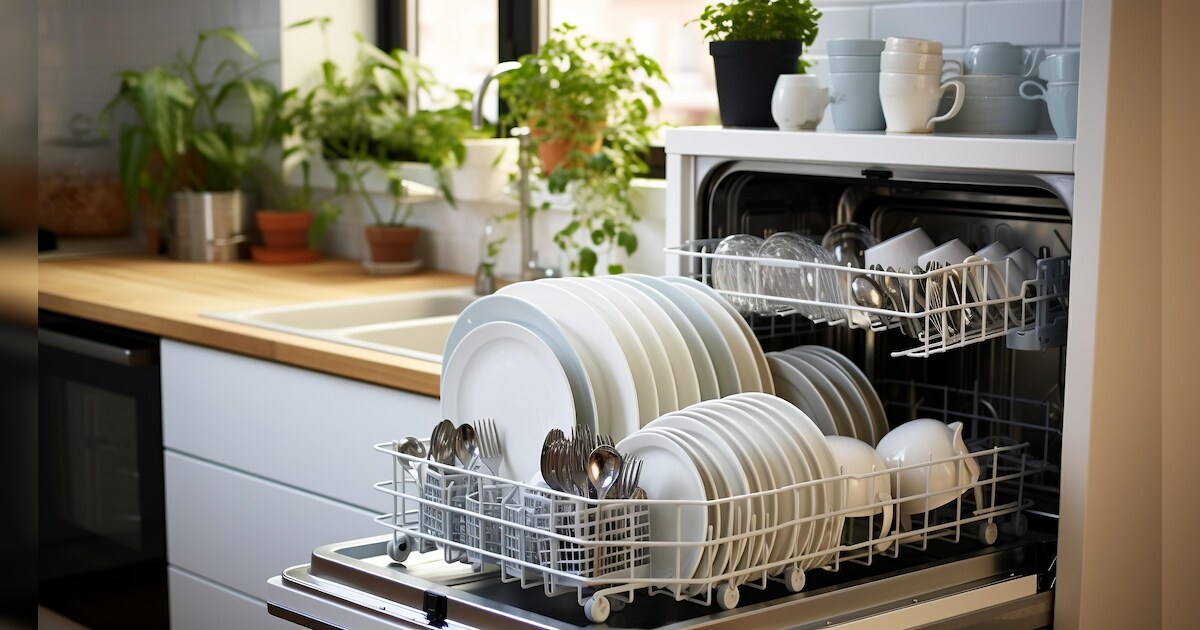
How Does the Half Load Setting Actually Work?
This is where things get interesting, because not all half load options are created equal. The way your machine executes this cycle depends heavily on the brand and model. You see, it’s not as simple as just cutting everything in half.
Most dishwashers with a half load feature use one of two main methods:
- Targeted Washing: Many models, particularly those from brands like Bosch or Siemens, will isolate the washing action to a single rack. When you select the half load option, the machine might only activate the spray arm for the top rack or the bottom rack. This is a brilliant bit of engineering because it focuses the water and energy exactly where the dirty dishes are. The user manual is your best friend here; it will tell you which rack to load for the half load cycle to be effective.
- Modified Cycle Parameters: Other dishwashers take a different approach. Instead of isolating a spray arm, they adjust the entire cycle. This might involve:
- Shorter Wash Time: The main wash and rinse phases are shortened.
- Lower Water Temperature: The machine might heat the water to a slightly lower temperature, which saves a significant amount of electricity (heating water is the most energy-intensive part of a cycle).
- Reduced Water Volume: The dishwasher will simply use less water overall throughout the cycle.
The most advanced machines often use a combination of these methods, intelligently adapting to give you the best possible clean for your smaller load.
The Big Question: Does Half Load Save Water and Energy?
Yes, but maybe not as much as you think. The name “half load” is a bit of a marketing misnomer; it rarely, if ever, uses exactly 50% of the resources of a full load.
On average, using the half load option can save you anywhere from 15% to 25% on water and energy consumption compared to a full normal cycle. While that’s not 50%, it’s certainly not nothing! Over the course of a year, those savings can add up, both on your utility bills and for the environment.
As David Chen, a seasoned appliance technician with over 20 years of experience, often tells his clients: “The half load is a great convenience feature, but the most efficient way to run a dishwasher is always to run a full load. Think of the half load as your best option when waiting isn’t practical.”
This brings up a crucial point in the world of dishwasher maintenance and efficiency: a modern, Energy Star-rated dishwasher running a full load is incredibly efficient—often using less water than washing the same number of dishes by hand.
|
Our Picks for the Best Dishwasher in 2026
As an Amazon Associate, we earn from qualifying purchases.
|
||
| Num | Product | Action |
|---|---|---|
| 1 | COMFEE\' Portable Dishwasher Countertop with 5L Built-in Water Tank, No Hookup Needed, 6 Programs, 360° Dual Spray, 192℉ High-Temp& Air-Dry Function, Mini Dishwasher for RVs, White |

|
| 2 | BLITZHOME Portable Dishwasher Countertop, WIFI Smart Dishwasher, Compact Dishwashers with 5L Built-in Water Tank, 6 Programs, 360° Dual Spray, High-Temp& Air-Dry Function, Fruit Cleaning |
|
| 3 | EUHOMY Countertop Dishwasher Portable with 6 Programs, 5L Built-in Water Tank for Apartments & RV, 167℉ High-Temp, No Hookup Needed, Mini Dishwasher with Baby Care, Air Dry/Quick/ECO/Fruit/Normal Mode |
|
| 4 | AIRMSEN Portable Countertop Dishwashers, 5 Washing Programs Mini Dishwashers with 5 L Built-in Water Tank and Double-layered Glass Door, No Hookup Needed for Home, Apartments & RVs |
|
| 5 | AIRMSEN Countertop Dishwasher Complete 2-Level Rack, Portable Dishwashers with 5L Built-in Water Tank, 3-Spray Arms & 12H Delay Start, No Hookup Needed, A01, White |
|
| 6 | EUHOMY Countertop Dishwasher Portable with 6 Programs, 5L Built-in Water Tank for Apartments, 167℉ High-Temp, No Hookup Needed, Mini Dishwasher with Baby Care, Air Dry/Quick/ECO/Fruit/Normal, White |
|
| 7 | NOVETE Portable Countertop Dishwashers, Compact Dishwashers with 5L Built-in Water Tank & Inlet Hose, 5 Washing Programs, Baby Care, Air-Dry Function and LED Light for Small Apartments |
|
| 8 | COMFEE\' Portable Mini Dishwasher Countertop with 5L Built-in Water Tank for Apartments& RVs, No Hookup Needed, 6 Programs, 360° Dual Spray, 162℉ High-Temp& Air-Dry Function |
|
| 9 | AIRMSEN Portable Countertop Dishwashers, 5 Washing Programs Mini Dishwashers with 5 L Built-in Water Tank and Double-layered Glass Door, No Hookup Needed for Home, Apartments & RVs |
|
| 10 | AIRMSEN Countertop Dishwasher - 8 Programs and 3 Useful Functions, Integrated Water Softener, Delayed Start, Child Lock, No Hookup Needed, Portable Mini Size for Home, Apartments & RVs |
|
When Should You Use the Half Load Option?
Understanding the right time to press that button is key to getting the most out of your machine. Here are the perfect scenarios for using the half load setting:
- For Singles or Couples: If you live in a small household, it can take days to accumulate a full load of dishes. The half load option allows you to keep your kitchen clean and hygienic without waiting.
- Mid-Week Top-Ups: You’ve run out of coffee mugs and cereal bowls, but the rest of the dishwasher is empty. A half load is perfect for refreshing your essential items.
- After a Small Meal: You had a couple of friends over for a light lunch, not a three-course dinner. The dishes won’t fill the machine, but you don’t want them sitting in the sink.
- When You’re in a Hurry: While not always faster, some half load cycles are quicker than a full eco-cycle, getting you the plates you need for your next meal sooner.
When to Skip the Half Load: The Surprising Downsides
Believe it or not, there are times when using the half load is less than ideal. It’s not a one-size-fits-all solution.
- For Heavily Soiled Items: The reduced intensity and temperature of a half load cycle may struggle with baked-on lasagna or greasy roasting pans. For tough jobs, a full, intensive cycle is always the better choice, even if the machine isn’t packed to the brim.
- When You Can Wait: If your machine is just over half full and you know you’ll have more dishes after dinner, it is always more resource-efficient to wait and run one full load later. Two half loads will use significantly more water and energy than one full load.
- If Your Machine Has Soil Sensors: Many modern dishwashers are equipped with advanced soil sensors (sometimes called “Auto” or “Smart Wash” cycles). These sensors detect how dirty your dishes are and automatically adjust the water usage and cycle time accordingly. In many cases, this automatic cycle on a half-full machine can be just as, or even more, efficient than the dedicated half load setting. Check out our guide on
[link to our article on dishwasher cycles]to learn more.
Loading Your Dishwasher for an Effective Half Load
You can’t just toss a few plates in and hope for the best. Proper loading is crucial for a successful half load wash.
- Consult Your Manual: First and foremost, check the manufacturer’s instructions. They will specify whether you should load the top rack, bottom rack, or a mix for the half load setting. This is the single most important step.
- Don’t Crowd the Dishes: Even with a smaller load, ensure dishes aren’t touching. Water needs to circulate freely to clean effectively. Give each item its own space.
- Place Items Strategically: If your machine defaults to the bottom rack, place your larger, dirtier items like plates and pots there. If it favors the top rack, that’s the spot for your glasses, mugs, and small bowls.
- Check the Spray Arms: Before you hit start, give the spray arms a quick spin with your hand to make sure nothing is blocking their path.
Is the Half Load Feature a Must-Have?
When you’re shopping for a new appliance, it’s easy to get caught up in a long list of features. So, is the half load option a deal-breaker?
Honestly, it depends on your lifestyle. For a large family that runs a full load every single day, it’s a “nice-to-have” but not essential. However, for individuals, couples, or small families, it’s an incredibly practical feature that adds a lot of flexibility to your daily routine.
That said, if you’re choosing between a model with a half load option and one with a high-quality soil sensor and an “Auto” cycle, the latter might offer you more consistent efficiency across all load sizes.
Frequently Asked Questions
Can I use a full detergent tablet for a half load?
This is a great question. While you can, it’s often overkill and can sometimes leave a residue. If possible, use powder or liquid detergent so you can dose it appropriately (about half the normal amount). If you only have tablets, some are scored and can be broken in half.
Does the half load option clean as well as a full cycle?
For lightly to moderately soiled dishes, yes. The cleaning performance should be excellent. However, for very dirty, caked-on food, it may not have the “oomph” of a full-power intensive cycle.
How do I know if my dishwasher uses the top or bottom rack for a half load?
The best way is to check your user manual. Some machines also have an indicator light or symbol on the control panel to show which rack is being targeted. If you’ve lost the manual, a quick search for your model online will usually bring it up.
Is a “quick wash” the same as a half load?
Not usually. A “quick wash” is designed for speed, often lasting only 30-60 minutes, and is intended for very lightly soiled items that just need a rinse and refresh. A half load is designed for a smaller quantity of normally soiled dishes and is focused on saving resources.
Will using the half load option shorten the life of my dishwasher?
No, not at all. The feature is designed to be used. Following good dishwasher maintenance practices, like cleaning the filter regularly, is far more important for the longevity of your machine. You can find a complete checklist in our [link to our guide on dishwasher maintenance].
The Final Rinse
So, what is the half load option on a dishwasher? It’s a smart, convenient feature designed for the days when you don’t have a mountain of dishes to wash. It offers a practical way to save a modest but meaningful amount of water and energy, making your kitchen routine more flexible and efficient. While it isn’t a replacement for the supreme efficiency of a completely full load, it’s an invaluable tool for small households and mid-week cleaning. The next time you’re faced with a half-empty dishwasher, you’ll know exactly what that button does and whether it’s the right choice for the job.