Let’s be honest, the dishwasher is one of the greatest kitchen inventions of all time. It’s a time-saving, sanitation-boosting workhorse. Tossing in dirty dishes and pressing a button feels like magic. But have you ever paused, plate in hand, wondering if you’re about to make a huge mistake? You’re not alone. Knowing What Not To Put In A Dishwasher is just as important as knowing how to load one correctly. It’s the key to protecting your cherished cookware, delicate dishes, and even the machine itself.
I’ve seen it all in my years as an appliance consultant—warped cutting boards, dulled chef’s knives, and beautiful hand-painted mugs with their designs washed away. These kitchen tragedies are almost always preventable. So, let’s pull back the curtain and talk about the items that should never see the inside of your dishwasher.
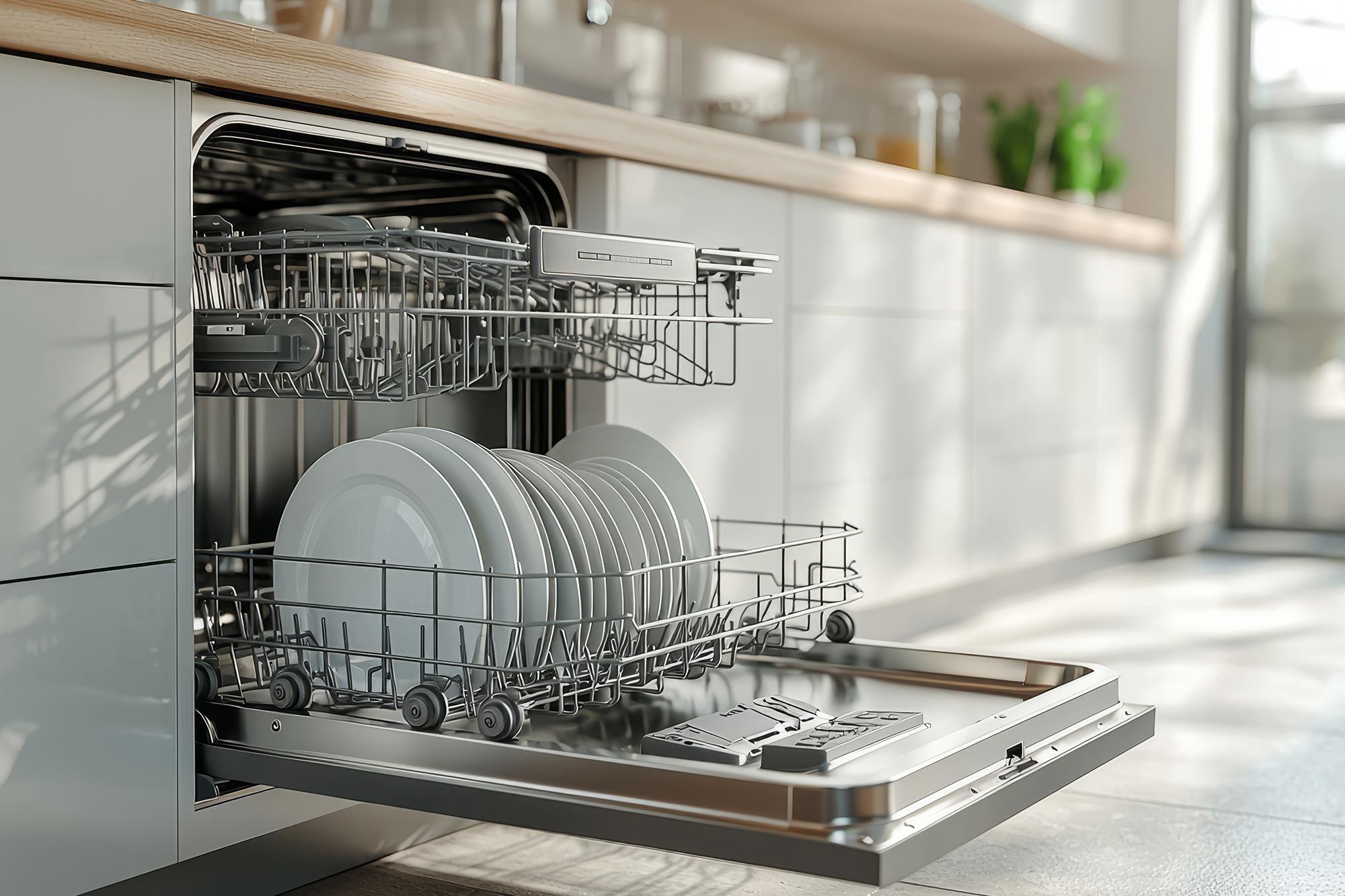
Why Can’t Everything Go in the Dishwasher?
Before we get to the “no-fly list,” it helps to understand why the dishwasher can be a hostile environment for certain items. Think of it as a perfect storm of three powerful forces:
- Extreme Heat: Dishwashers use incredibly hot water (up to 160°F or 70°C) and a heated drying cycle to clean and sanitize. This heat can cause wood to warp and crack, plastics to melt, and delicate glues to dissolve.
- Harsh Detergents: Dishwasher detergent is highly alkaline and abrasive—much stronger than regular dish soap. It’s designed to blast away baked-on food, but that same power can strip seasonings from cast iron, corrode certain metals, and fade delicate patterns.
- Powerful Water Jets: The high-pressure spray arms are fantastic for cleaning, but the force can be too much for fragile items, potentially causing chips or breakage. Small or lightweight items can also be tossed around, where they might fall and melt on the heating element.
When you combine these three elements, you get an environment that’s perfect for durable ceramics and stainless steel, but catastrophic for many other common kitchen materials.
The Definitive List of What Not to Put in a Dishwasher
To make it easy, I’ve broken down the list into categories. Consider this your go-to guide for dishwasher safety.
Kitchen Tools & Cookware
This is where some of the most common and costly mistakes are made.
- Sharp Knives: This is my number one rule. Never, ever put your good chef’s knives in the dishwasher. The harsh detergent will dull the blade’s edge, and the jostling from water jets can cause the blade to chip by banging against other items. Plus, it’s a safety hazard when unloading. Always hand wash your good knives carefully and dry them immediately.
- Wooden Utensils and Cutting Boards: Wood and water are not friends, especially hot water. The intense heat and prolonged moisture will cause wood to swell, warp, and eventually crack. It also strips the natural oils from the wood, leaving it dry and brittle. This applies to wooden spoons, rolling pins, and salad bowls.
- Cast Iron Cookware: Putting a seasoned cast iron skillet in the dishwasher is a cardinal sin for any cook. The detergent will completely strip away the non-stick seasoning you’ve worked so hard to build up, leading to a rusty, useless pan. Hand wash with a little soap (or just hot water and a scraper) and re-oil after drying.
- Non-Stick Pans and Bakeware: While some non-stick cookware claims to be “dishwasher safe,” doing so will drastically shorten its lifespan. The harsh detergents and high heat will degrade the non-stick coating over time, causing it to flake off into your food. Protect your investment and hand wash them.
- Copper, Tin, and Anodized Aluminum: These metals will not fare well. Copper will tarnish, tin will darken, and the dishwasher detergent can cause pitting and discoloration on anodized aluminum (like many baking sheets). Hand washing is the only way to keep them looking their best.
|
Our Picks for the Best Dishwasher in 2026
As an Amazon Associate, we earn from qualifying purchases.
|
||
| Num | Product | Action |
|---|---|---|
| 1 | AIRMSEN Countertop Dishwasher - 8 Programs and 3 Useful Functions, Integrated Water Softener, Delayed Start, Child Lock, No Hookup Needed, Portable Mini Size for Home, Apartments & RVs |

|
| 2 | COMFEE\' Portable Mini Dishwasher Countertop with 5L Built-in Water Tank for Apartments& RVs, No Hookup Needed, 6 Programs, 360° Dual Spray, 162℉ High-Temp& Air-Dry Function |
|
| 3 | EUHOMY Countertop Dishwasher Portable with 6 Programs, 5L Built-in Water Tank for Apartments, 167℉ High-Temp, No Hookup Needed, Mini Dishwasher with Baby Care, Air Dry/Quick/ECO/Fruit/Normal, White |
|
| 4 | NOVETE Portable Countertop Dishwashers, Compact Dishwashers with 5L Built-in Water Tank & Inlet Hose, 5 Washing Programs, Baby Care, Air-Dry Function and LED Light for Small Apartments |
|
| 5 | EUHOMY Countertop Dishwasher Portable with 6 Programs, 5L Built-in Water Tank for Apartments & RV, 167℉ High-Temp, No Hookup Needed, Mini Dishwasher with Baby Care, Air Dry/Quick/ECO/Fruit/Normal Mode |
|
| 6 | AIRMSEN Portable Countertop Dishwashers, 5 Washing Programs Mini Dishwashers with 5 L Built-in Water Tank and Double-layered Glass Door, No Hookup Needed for Home, Apartments & RVs |
|
| 7 | BLITZHOME Portable Dishwasher Countertop, WIFI Smart Dishwasher, Compact Dishwashers with 5L Built-in Water Tank, 6 Programs, 360° Dual Spray, High-Temp& Air-Dry Function, Fruit Cleaning |
|
| 8 | AIRMSEN Countertop Dishwasher Complete 2-Level Rack, Portable Dishwashers with 5L Built-in Water Tank, 3-Spray Arms & 12H Delay Start, No Hookup Needed, A01, White |
|
| 9 | AIRMSEN Portable Countertop Dishwashers, 5 Washing Programs Mini Dishwashers with 5 L Built-in Water Tank and Double-layered Glass Door, No Hookup Needed for Home, Apartments & RVs |
|
| 10 | COMFEE\' Portable Dishwasher Countertop with 5L Built-in Water Tank, No Hookup Needed, 6 Programs, 360° Dual Spray, 192℉ High-Temp& Air-Dry Function, Mini Dishwasher for RVs, White |
|
Delicate Dishware & Glassware
That special occasion dinnerware deserves special treatment.
- Fine China, Hand-Painted, and Antique Dishes: The combination of heat and abrasive detergents is a death sentence for delicate patterns, gold leaf, and metallic trim. You’ll watch your beautiful designs literally wash down the drain. These heirlooms should always be washed by hand with care.
- Crystal and Delicate Glassware: Crystal is softer and more porous than regular glass. The high heat can cause it to crack over time, a phenomenon known as thermal shock. Furthermore, the detergents can etch the surface, leaving it with a permanent cloudy film. Some modern, high-end dishwashers have delicate cycles, but when in doubt, hand wash it out.
- Milk Glass: This beautiful, opaque vintage glassware can turn yellow and develop a rough surface texture from the harsh detergents used in a dishwasher.
Plastics and Miscellaneous Items
This category covers the odds and ends that often get tossed in without a second thought.
- Soft Plastics and Non-Dishwasher-Safe Containers: Always check for the “dishwasher safe” symbol (usually a square with plates or water droplets). If it’s not there, don’t risk it. Soft plastics, like takeout containers or single-use tubs, can melt and deform, potentially falling onto the heating element and creating a burnt-plastic mess.
- Insulated Travel Mugs and Flasks: Putting these in the dishwasher can compromise the vacuum seal between the inner and outer layers, ruining their ability to keep your drinks hot or cold. Water can also get trapped inside this seal, leading to mold.
- Jars with Paper Labels: If you’re trying to save a jar, washing it in the dishwasher is a bad idea. The label will dissolve into a pulpy mess that clogs the dishwasher’s filter and pump, leading to poor performance and potentially costly dishwasher maintenance. Soak the jar in the sink to remove the label instead.
- Anything with Adhesives: Items that are glued together, like some knife handles or repaired ceramics, can be weakened by the dishwasher’s high heat, causing them to fall apart.
“The most common service calls I get are related to clogged filters and spray arms. Nine times out of ten, the culprit is something that shouldn’t have been in the dishwasher in the first place, like a paper label or small plastic debris.” – David Chen, Appliance Repair Technician
Is It Dishwasher Safe? How to Tell for Sure
The easiest way to know is to look for the dishwasher-safe symbol on the bottom of an item. However, there isn’t one universal symbol. It can look like a wine glass and fork, a square with water drops, or plates being sprayed with water. If there’s no symbol, the manufacturer’s website is your next best bet. If you still can’t find an answer, follow this simple rule: if it’s valuable or you’re unsure, hand wash it. It’s always better to be safe than sorry.
Frequently Asked Questions (FAQ)
Q: Can you put pots and pans in the dishwasher?
A: It depends on the material. Stainless steel pots and pans are generally fine. However, as mentioned above, never put cast iron, non-stick, copper, or anodized aluminum pans in the dishwasher. Always check the manufacturer’s instructions.
Q: What happens if you accidentally put a non-dishwasher-safe item in the machine?
A: The damage can range from minor to severe. A wooden spoon might just feel a bit dry, while a non-stick pan’s coating could start to peel. In the worst-case scenario, an item could melt onto the heating element, requiring a professional repair.
Q: Does the top rack vs. bottom rack matter for safety?
A: Absolutely. The bottom rack is closer to the heating element and receives a more powerful water spray. For this reason, any plastics that are dishwasher-safe should always go on the top rack to prevent melting or warping.
Q: Can I put silver or silver-plated items in the dishwasher?
A: It is not recommended. Dishwasher detergent is corrosive to silver and can cause it to tarnish and pit. Furthermore, if silver touches stainless steel in the dishwasher, a chemical reaction can occur that permanently damages both items.
Q: Why do my glasses get cloudy in the dishwasher?
A: Cloudiness can be caused by two things. The first is hard water mineral deposits, which can usually be removed by soaking the glasses in vinegar. The second, more permanent cause is etching, which is microscopic scratching of the glass surface by harsh detergents. This cannot be reversed.
A Final Word on Dishwasher Wisdom
Using a dishwasher should make your life easier, not create more problems. By being mindful of what not to put in a dishwasher, you’re not just saving your favorite mug or skillet; you’re also ensuring your appliance runs efficiently for years to come. It might take an extra minute or two to hand wash a few items, but it’s a small price to pay for protecting your kitchenware and avoiding a major headache.
So, the next time you’re loading up, take a quick second to think. Is this item truly ready for the heat, pressure, and potent soap of the dishwasher? Making that smart choice is the best way to keep your kitchen items—and your trusty dishwasher—in perfect shape. What’s one item you’ll be hand-washing from now on?