So, the old dishwasher has finally given up the ghost, or maybe you’re just tired of being the dishwasher yourself. Welcome to the club! But now you’re faced with a wall of shiny stainless steel boxes, each promising sparkling clean dishes. It can feel a bit overwhelming, can’t it? Figuring out What To Look For In A New Dishwasher is more than just picking one that fits the space. It’s about finding a kitchen workhorse that matches your lifestyle, saves you time, and doesn’t sound like a jet engine taking off during family dinner.
Don’t worry, I’ve got your back. I’ve spent years digging into the nuts and bolts of these machines, and I’m here to walk you through everything you need to know. We’ll cut through the marketing jargon and focus on what really counts. By the end of this guide, you’ll be able to walk into any appliance store or browse online with the confidence of a pro.
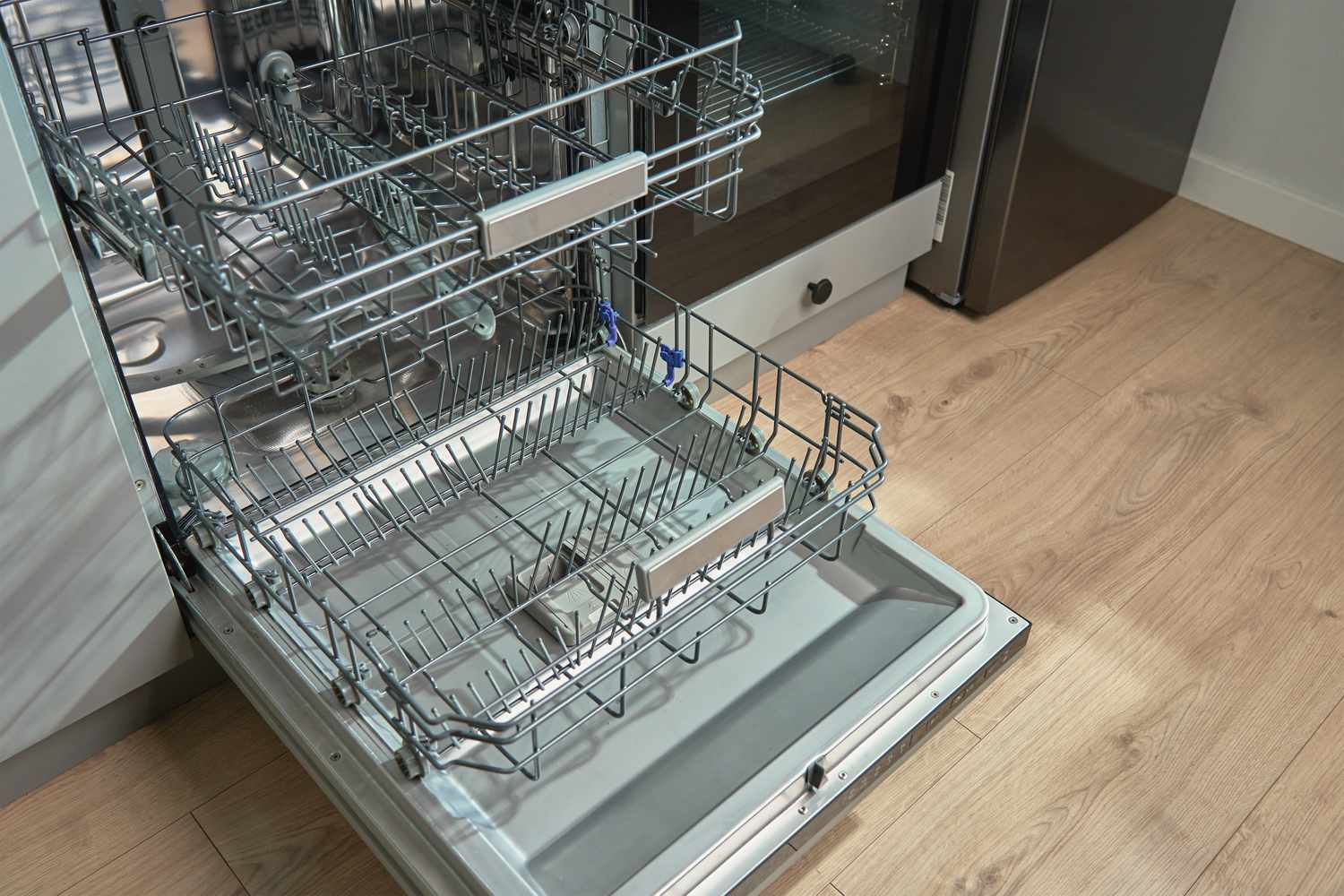
First Things First: Size, Type, and Fit
Before you get dazzled by features like Wi-Fi and bottle jets, you need to nail down the fundamentals. Getting this part wrong is a recipe for a frustrating return, and nobody has time for that.
What Type of Dishwasher Do You Need?
There are three main players in the dishwasher game. Your kitchen layout will most likely make this decision for you.
- Built-in: This is the most common type. These units slide into a dedicated space under your countertop, usually next to the sink, and become a seamless part of your cabinetry. They offer the widest range of features and sizes.
- Freestanding/Portable: If you’re renting or don’t have a dedicated cabinet space, a freestanding model is your best friend. They are often on wheels and can be hooked up to your kitchen faucet when you need to run a load.
- Countertop/Compact: Perfect for small apartments, RVs, or kitchens without the space for a full-sized unit. They sit on your counter and, like portable models, connect to the faucet. They’re small but mighty.
Measure Twice, Buy Once
This might be the single most important step. Grab a tape measure. You need to measure the height, width, and depth of the space where the dishwasher will go.
Standard built-in dishwashers are typically 24 inches wide, but you’ll also find compact 18-inch models for smaller kitchens. Always check the manufacturer’s specifications for the required cutout dimensions, not just the appliance’s dimensions.
Remember to account for clearance in the back for water and drain lines, and ensure the front door will have enough room to open fully without hitting an island or opposite cabinets.
|
Our Picks for the Best Dishwasher in 2026
As an Amazon Associate, we earn from qualifying purchases.
|
||
| Num | Product | Action |
|---|---|---|
| 1 | AIRMSEN Portable Countertop Dishwashers, 5 Washing Programs Mini Dishwashers with 5 L Built-in Water Tank and Double-layered Glass Door, No Hookup Needed for Home, Apartments & RVs |

|
| 2 | BLITZHOME Portable Dishwasher Countertop, WIFI Smart Dishwasher, Compact Dishwashers with 5L Built-in Water Tank, 6 Programs, 360° Dual Spray, High-Temp& Air-Dry Function, Fruit Cleaning |
|
| 3 | AIRMSEN Portable Countertop Dishwashers, 5 Washing Programs Mini Dishwashers with 5 L Built-in Water Tank and Double-layered Glass Door, No Hookup Needed for Home, Apartments & RVs |
|
| 4 | NOVETE Portable Countertop Dishwashers, Compact Dishwashers with 5L Built-in Water Tank & Inlet Hose, 5 Washing Programs, Baby Care, Air-Dry Function and LED Light for Small Apartments |
|
| 5 | COMFEE\' Portable Dishwasher Countertop with 5L Built-in Water Tank, No Hookup Needed, 6 Programs, 360° Dual Spray, 192℉ High-Temp& Air-Dry Function, Mini Dishwasher for RVs, White |
|
| 6 | COMFEE\' Portable Mini Dishwasher Countertop with 5L Built-in Water Tank for Apartments& RVs, No Hookup Needed, 6 Programs, 360° Dual Spray, 162℉ High-Temp& Air-Dry Function |
|
| 7 | AIRMSEN Countertop Dishwasher Complete 2-Level Rack, Portable Dishwashers with 5L Built-in Water Tank, 3-Spray Arms & 12H Delay Start, No Hookup Needed, A01, White |
|
| 8 | AIRMSEN Countertop Dishwasher - 8 Programs and 3 Useful Functions, Integrated Water Softener, Delayed Start, Child Lock, No Hookup Needed, Portable Mini Size for Home, Apartments & RVs |
|
| 9 | EUHOMY Countertop Dishwasher Portable with 6 Programs, 5L Built-in Water Tank for Apartments, 167℉ High-Temp, No Hookup Needed, Mini Dishwasher with Baby Care, Air Dry/Quick/ECO/Fruit/Normal, White |
|
| 10 | EUHOMY Countertop Dishwasher Portable with 6 Programs, 5L Built-in Water Tank for Apartments & RV, 167℉ High-Temp, No Hookup Needed, Mini Dishwasher with Baby Care, Air Dry/Quick/ECO/Fruit/Normal Mode |
|
Core Performance: The Stuff That Actually Cleans
Let’s talk about the main event: getting your dishes clean. A dishwasher can have all the fancy buttons in the world, but if it leaves food caked onto your plates, it’s failed its one job.
Wash System: Arms, Jets, and Coverage
The heart of a dishwasher’s cleaning power is its wash system. Look for models that offer more than just a basic lower spray arm.
- Multiple Wash Arms: Most decent models have at least two: one at the bottom and one in the middle. Premium models often have a third, smaller arm at the top to specifically target the third rack.
- Pressurized Spray Jets: Some brands have developed targeted jets to tackle specific items. You might see “Bottle Wash Jets” for baby bottles and water bottles or high-intensity jets at the back of the tub for blasting casserole dishes.
The goal is total water coverage. You don’t want any “blind spots” where dishes can hide from the water stream.
Drying Performance: From Heated Air to Fancy Minerals
There’s nothing more annoying than pulling out “clean” dishes that are still soaking wet. How a dishwasher dries is a key differentiator.
| Drying Method | How It Works | Pros | Cons |
|---|---|---|---|
| Heated Dry | Uses an exposed heating element (like an oven) at the bottom of the tub to heat the air. | Very effective, especially on plastics. | Uses more energy; can melt plastics on the bottom rack. |
| Condensation Dry | Uses a final hot water rinse to heat the dishes. The hot dishes cause moisture to condense on the cooler, stainless steel interior tub. | Energy efficient, safe for plastics anywhere in the unit. | Can be less effective, especially on plastics which don’t retain heat well. |
| Fan-Assisted Dry | A fan circulates air inside the tub to speed up the condensation process. Often called “Power Dry” or “Dynamic Dry”. | Faster and more effective than standard condensation drying. | Can add slightly to the cost and complexity of the machine. |
| Zeolite/CrystalDry | A newer technology using natural minerals (zeolite) that absorb moisture and release heat, actively drying dishes. | Extremely energy efficient and highly effective on all items, including plastics. | Typically found only on high-end models. |
Key Features to Consider: What to Look for in a New Dishwasher
Once you’ve got the basics covered, it’s time for the fun part. Modern features can dramatically improve your daily experience. Here’s what to keep an eye on.
How Quiet is Quiet Enough? Understanding Decibel Ratings
If you have an open-concept kitchen or just value peace and quiet, the noise level is a huge factor. It’s measured in decibels (dBA).
- 50 dBA or higher: You’ll definitely hear it running. It’s about the level of a normal conversation.
- 45-49 dBA: This is a great sweet spot. It’s quiet enough not to be intrusive.
- 44 dBA and below: We’re talking whisper-quiet. You might have to check the indicator light to even know it’s on.
A Pro Tip from the Field:
John Carter, a certified appliance technician with 15 years of experience, shared this with me: “People often obsess over having a dozen wash cycles they’ll never use. I tell them to focus on two things: a quality stainless steel tub for better drying and sound dampening, and a decibel rating under 48 dBA. Your sanity will thank you.”
Racking and Interior Flexibility
A dishwasher’s interior layout can be the difference between a quick load and a frustrating game of Tetris.
- The Third Rack: This shallow rack at the very top is a game-changer for silverware, spatulas, and small ramekins. It frees up a ton of space on the bottom rack by letting you ditch the bulky silverware basket.
- Adjustable Tines: Look for rows of tines (the prongs that hold up the dishes) that can be folded down. This allows you to fit in bulky items like pots, pans, and mixing bowls.
- Adjustable Upper Rack: Being able to raise or lower the middle rack is incredibly useful for accommodating tall wine glasses up top or large platters on the bottom.
Essential Cycles and Options
Don’t get lost in a sea of buttons. Here are the cycles that truly matter:
- Auto or Sensor Wash: This is the one you’ll likely use 90% of the time. The dishwasher uses a soil sensor to detect how dirty the dishes are and automatically adjusts the cycle time and water usage for a perfect clean. It’s a fantastic “set it and forget it” feature.
- Quick Wash: For lightly soiled dishes when you’re in a hurry. Usually takes about an hour.
- Heavy Duty: For those baked-on, greasy messes. It uses more water and higher temperatures.
- Sanitize Option: This is a must-have for families with babies or anyone concerned about germs. It uses a final rinse at a very high temperature to kill 99.9% of bacteria.
Efficiency, Reliability, and Smarts
A dishwasher is a long-term investment. Thinking about its running costs, lifespan, and modern conveniences will pay off down the road.
Energy Efficiency and Water Consumption
Look for the ENERGY STAR label. Certified models are designed to use less water and electricity than standard models, saving you money on your utility bills over the life of the appliance. A good resource for this is the product’s EnerGuide label. Many modern dishwashers are incredibly efficient, using as little as 3-4 gallons of water per cycle—far less than washing by hand. If you want to learn more, check out our guide on how dishwashers save water and energy.
Is a Stainless Steel Tub Worth It?
Yes. While models with plastic tubs are cheaper, stainless steel tubs offer significant advantages:
- They are more durable and resist stains and odors.
- They reflect heat better, which aids in condensation drying.
- They help dampen sound, contributing to a quieter operation.
Smart Features: Are They Worth The Hype?
Many new dishwashers come with Wi-Fi connectivity. This allows you to start, stop, and monitor your dishwasher from a smartphone app. You can get notifications when the cycle is done or if there’s a leak. Is it essential? No. Is it a nice convenience? For some, yes. If you’re a tech-savvy person who loves home automation, you’ll love it. If not, it’s a feature you can safely skip to save some money.
Frequently Asked Questions (FAQ)
1. Is a third rack in a dishwasher really worth it?
Absolutely. A third rack provides dedicated space for silverware and small utensils, which not only cleans them better but also frees up significant room on the lower rack for more pots and plates.
2. Should I choose a dishwasher with a plastic or stainless steel tub?
If your budget allows, always opt for a stainless steel tub. It’s more durable, resists stains and odors, improves drying performance, and contributes to quieter operation compared to a plastic tub.
3. How long should a new dishwasher last?
The average lifespan of a modern dishwasher is about 9 to 12 years with proper use and regular maintenance. To extend its life, it’s important to regularly clean the filter and follow our dishwasher maintenance checklist.
4. Do I need to pre-rinse my dishes before loading?
No! Modern dishwashers and detergents are designed to handle food particles. In fact, the enzymes in many detergents work better when they have some food soil to cling to. Simply scrape off large food chunks and load them in.
5. What does the “Sanitize” option on a dishwasher do?
The Sanitize option uses an extended final rinse with extremely hot water (typically around 150-160°F or 65-71°C) to eliminate 99.9% of common household bacteria from your dishes, making it ideal for baby bottles or cutting boards.
Tying It All Together
Choosing a new appliance doesn’t have to be a chore. By focusing on what to look for in a new dishwasher—starting with the right size and type, then prioritizing core cleaning performance, noise level, and interior flexibility—you can confidently find the perfect machine for your home. Features like an Auto/Sensor cycle and a stainless steel tub are non-negotiable for a great experience. From there, you can decide if extras like a third rack or smart-home connectivity are right for you. Now go out there and find the dishwasher that will make your kitchen life a whole lot easier.