The top rack of a dishwasher is specifically designed for delicate items, plastics, and smaller dishes due to its gentler water spray and lower heat exposure compared to the bottom rack. This upper zone protects items like glassware, plastic containers, and small bowls from the intense heat and direct water pressure that can cause warping, chipping, or breakage. Understanding proper top rack loading ensures optimal cleaning and extends the lifespan of your kitchenware.
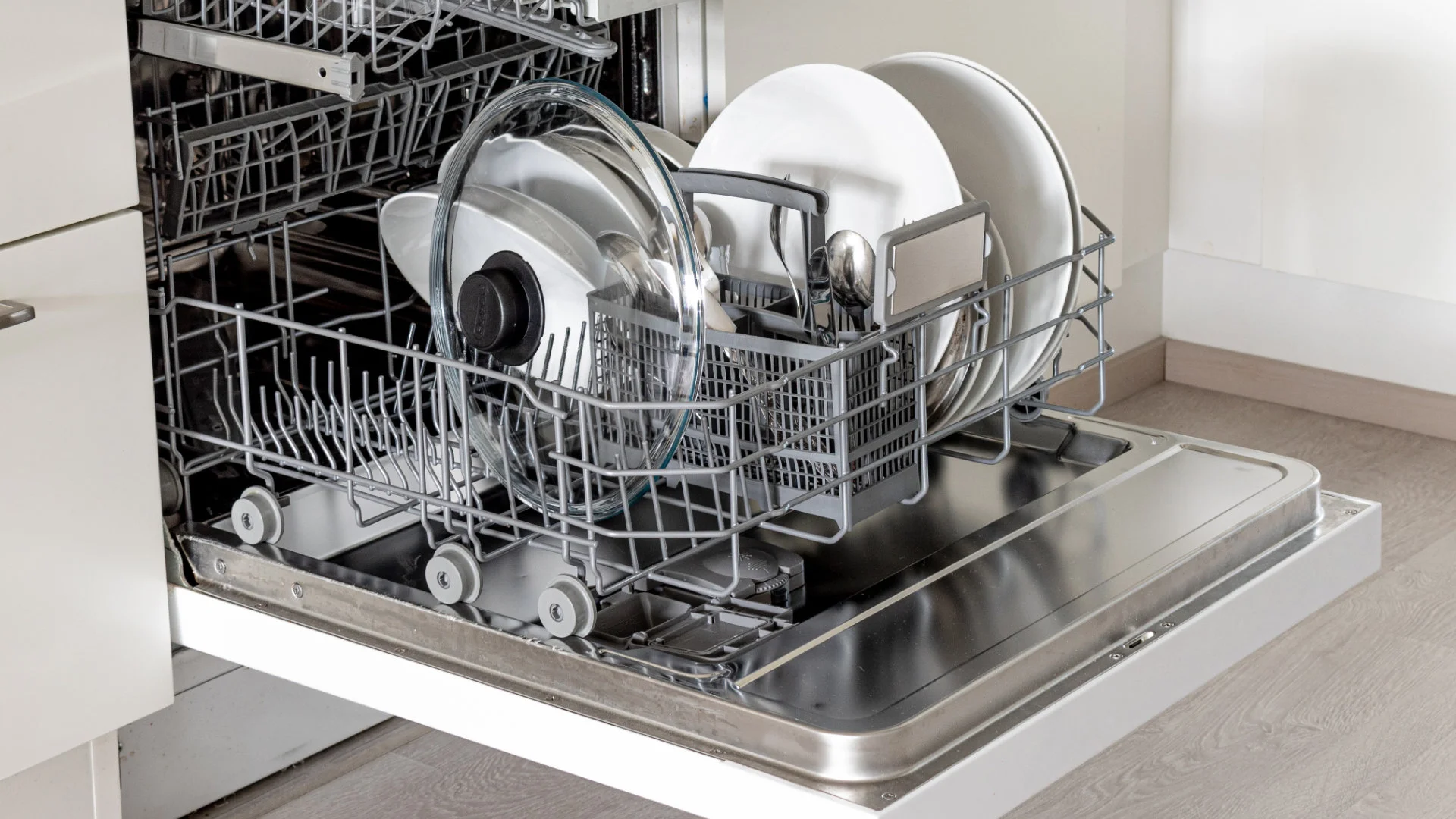
So, What’s the Big Deal About the Top Rack Anyway?
Before we list what to put up there, it helps to understand why the top rack is different. Think of your dishwasher’s two levels as having distinct personalities. For shop curated dishwasher sales on this site.
- The Bottom Rack: This is the powerhouse. It’s located right above the main heating element and gets hit with the most intense, direct water spray. It’s designed for heavy-duty cleaning.
- The Top Rack: This is the gentle zone. It’s further away from the heating element, so the temperature is slightly lower. The water spray that reaches the top rack is also less forceful, more like a thorough, soaking rain than a high-pressure jet wash.
This fundamental difference is why proper dishwasher loading isn’t just an old wives’ tale; it’s science. Placing delicate items in the gentle top rack environment protects them from the intense heat and pressure found below.
The Official Guest List: What Goes on the Top Rack of a Dishwasher
Consider this your ultimate cheat sheet. If an item falls into one of these categories, its designated spot is on the top rack.
1. Glasses, Mugs, and Cups
This is the most common use for the top rack.
- Why here? The gentler water flow prevents delicate glassware from rattling around and potentially chipping or breaking. It’s also far enough from the heating element to avoid causing thermal shock, which can lead to cracks over time.
- Pro Tip: Place them upside down, nestled securely between the tines. Avoid letting them touch, as this can cause etching or breakage during the cycle.
2. Plastic and Melamine Items
This is a non-negotiable rule of dishwasher loading.
- Why here? The main heating element at the bottom of the dishwasher can get hot enough to warp, melt, or disfigure plastic containers, lids, and kids’ plates. The cooler environment of the top rack is the only safe place for anything labeled “dishwasher safe” plastic.
- A word of caution: Always double-check that your plastic items are indeed marked as dishwasher safe. If not, it’s best to wash them by hand.
3. Bowls (Cereal, Soup, and Salad)
Small to medium-sized bowls are perfect for the top rack.
- Why here? They fit perfectly between the tines, and the top-down water spray can effectively clean their interiors without the risk of them flipping over and collecting a pool of dirty water.
- Pro Tip: Angle them facing downwards and towards the center of the rack to ensure maximum exposure to the water jets.
4. Long Utensils and Kitchen Tools
Spatulas, ladles, tongs, and long knives have a home here.
- Why here? Placing them in the utensil basket on the bottom rack can cause them to block the spray arm. Laying them flat on the top rack ensures they get thoroughly cleaned without obstructing the machine’s mechanics. Many modern dishwashers even have a dedicated third rack for this very purpose.
- Pro Tip: If you have sharp knives, laying them flat on the top rack is safer for the knife’s edge and prevents you from accidentally cutting yourself when unloading.
5. Small, Lightweight Items
Think small ramekins, measuring cups, or container lids.
- Why here? The forceful spray on the bottom rack can flip these items over, filling them with water or, worse, sending them flying into the heating element. The gentler top rack keeps them in place.
- Pro Tip: Some dishwashers have covered compartments or clips on the top rack specifically designed to secure these small items. Use them!
“I always tell my clients to treat their dishwasher like it has two different climates,” says Michael Carter, an appliance technician with over 20 years of experience. “The bottom is the hot, intense desert for your durable pots and plates. The top is the temperate, gentle rainforest for your plastics and glassware. Respecting those climates is the secret to great results and long-lasting dishes.”
What Should Never Go on the Top Rack?
Just as important as knowing what goes up top is knowing what stays down below. Placing the wrong items on the top rack can lead to poor cleaning performance.
- Dinner Plates: They are too tall and will block the water from reaching the dishes above them. Their home is on the bottom rack, standing upright between the tines.
- Pots and Pans: These need the high-pressure wash of the bottom rack to scrub away baked-on food. Placing them on top will likely leave you with a still-dirty pan.
- Cutting Boards (unless small and thin): Large cutting boards will act like a wall, preventing water from circulating properly. They belong on the bottom, along the sides.
- Silverware (unless you have a third rack): The utensil basket on the bottom rack is designed to separate forks, spoons, and knives for optimal cleaning.
Pro Tips for Perfect Top-Rack Loading
Loading a dishwasher is part art, part science. Here are a few tricks to master the top rack and improve your machine’s overall performance.
- Don’t Overcrowd: Give your items some breathing room. Water and detergent need to circulate freely to do their job. If you pack things in too tightly, you’ll end up with dirty spots.
- Face the Dirt Down: Always place bowls, glasses, and containers with the dirty side facing down and angled towards the center spray arm. This ensures the water jets can reach the surfaces that need it most.
- Utilize Your Adjustable Rack: Many modern dishwashers feature an adjustable top rack. You can raise it to accommodate large platters on the bottom or lower it to fit tall water bottles or wine glasses on top. This is a game-changer for loading flexibility and a key feature in improving energy efficiency.
- Check for Obstructions: Before you hit “Start,” give the top spray arm a gentle spin with your hand. Make sure it can rotate a full 360 degrees without hitting any of your taller items. This is a common cause of poor cleaning performance.
By understanding how your dishwasher works and learning what goes on the top rack of a dishwasher, you’re not just loading dishes—you’re optimizing a powerful appliance to save time, water, and energy, all while protecting your kitchenware.
Frequently Asked Questions
Can I put wine glasses on the top rack?
Absolutely. The top rack is the best place for them. Many dishwashers even have special “stemware holders”—silicone or plastic clips that gently secure the stems to prevent them from moving and breaking during the wash cycle.
Why are my glasses coming out cloudy from the top rack?
Cloudiness, or “etching,” can be caused by a few things. It might be hard water deposits, which can be fixed with a rinse aid. It could also be that you’re using too much detergent. Start by using less detergent and always use a rinse aid for spot-free results.
Is it okay if plastic containers flip over on the top rack?
While it won’t damage your dishwasher, a flipped container will fill with dirty water that you’ll have to empty out. Worse, that water can splash onto your other clean dishes as you pull the rack out. Try to nestle lightweight plastics between other, heavier items to keep them in place.
What is that third rack on some newer dishwashers for?
That slim rack at the very top is a fantastic innovation designed specifically for silverware, long utensils like spatulas and tongs, and small, flat items like espresso cup lids. It frees up a ton of space on the lower racks.
My top rack dishes aren’t getting clean. What’s wrong?
The most common culprit is a blocked upper spray arm. First, check that no tall items are preventing it from spinning. Second, the nozzles on the spray arm itself can get clogged with food debris. Most can be easily removed and cleaned with a small brush or toothpick under running water. This simple piece of dishwasher maintenance can make a world of difference.
Your Dishwasher, Mastered
So, there you have it. The top rack is no longer a mystery. It’s the safe zone for your delicate glasses, plastics, and smaller bowls. By respecting its gentle nature and understanding what goes on the top rack of a dishwasher, you can say goodbye to melted containers and cloudy glasses forever. Load with confidence, and let your machine do the hard work for you.
Frequently Asked Questions
Can I put wine glasses on the top rack of my dishwasher?
Yes, wine glasses are best placed on the top rack. Many dishwashers include special stemware holders, such as silicone or plastic clips, to secure the stems and prevent movement or breakage during the wash cycle.
Why are my glasses cloudy after washing them on the top rack?
Cloudiness, or etching, can result from hard water deposits or excessive detergent. To resolve this, try using less detergent and always incorporate a rinse aid for spot-free results. Regular use of rinse aid helps prevent mineral buildup.
Is it acceptable if plastic containers flip over on the top rack?
While a flipped container won't harm your dishwasher, it will collect dirty water that needs to be emptied, potentially splashing other clean dishes. To prevent this, nestle lightweight plastics between heavier items to keep them stable during the wash cycle.
What is the purpose of the third rack in some modern dishwashers?
The slim third rack at the very top of newer dishwashers is designed for silverware, long utensils like spatulas and tongs, and small, flat items such as espresso cup lids. This feature significantly increases usable space on the lower racks.
My dishes on the top rack are not getting clean; what could be the issue?
The most common reason for unclean top rack dishes is a blocked upper spray arm. First, ensure no tall items obstruct its 360-degree rotation. Second, check if the spray arm nozzles are clogged with food debris; they can often be removed and cleaned with a small brush or toothpick under running water.
Load Your Dishwasher's Top Rack Correctly
Properly loading your dishwasher's top rack ensures delicate items are cleaned effectively and protected from damage.
Position all glasses, mugs, and cups upside down between the tines on the top rack. Ensure they do not touch each other to prevent chipping or etching during the wash cycle.
Place all dishwasher-safe plastic and melamine items on the top rack only. The lower heat and gentler spray protect them from warping or melting, which can occur near the bottom heating element.
Load small to medium-sized bowls angled downwards and towards the center of the rack. This orientation allows water jets to effectively clean their interiors and prevents them from collecting dirty water.
Arrange spatulas, ladles, tongs, and long knives flat on the top rack. This prevents them from blocking the spray arm and ensures thorough cleaning, especially if your dishwasher lacks a dedicated third rack.
Before starting the cycle, gently spin the top spray arm by hand to ensure it can rotate a full 360 degrees without hitting any items. Obstructions can lead to poor cleaning performance on the top rack.
Get our weekly buyer guide
Practical specs, not advice. Unsubscribe anytime.
Finally, someone explains the ‘why’ behind the top rack! I always knew to put certain things up there, but the distinction between the ‘powerhouse’ bottom rack and the ‘gentler’ top rack really clarified things for me. My kids’ sippy cups and all our plastic storage containers will be thanking me for this newfound knowledge. No more warped lids!
I always just threw everything in wherever it fit, but after reading this, I’m totally rethinking my dishwasher strategy. My plastic containers were always getting warped on the bottom rack, and now I know why! The tip about the gentler water spray on the top rack makes so much sense for my delicate wine glasses too. Definitely going to load smarter from now on.
This was a great reminder about protecting glassware. I’ve been so careful with my good wine glasses, but I never really understood the mechanics of why the top rack was better. Knowing it’s about the direct water pressure and heat makes me feel more confident in how I’m loading. My everyday mugs are definitely safer up there.
Good info here, especially about the lower heat exposure for plastics. I’ve had a few plastic lids melt on me before, so that’s helpful. My only gripe is that sometimes it feels like there’s just not enough space on the top rack for all my smaller bowls and cups, even when I try to arrange them carefully. It’s a constant puzzle.