Let’s settle a debate as old as the automatic dishwasher itself. The question of whether do you need to pre rinse dishes has sparked countless household disagreements. For generations, we’ve been told to rinse every plate clean before loading it into the machine. But what if I told you that this habit is not only unnecessary but could actually be making your dishes less clean? It sounds crazy, I know. I used to be a religious pre-rinser myself, until I dug deep into the science of how these modern marvels actually work. Stick with me, and we’ll bust this myth wide open for good.
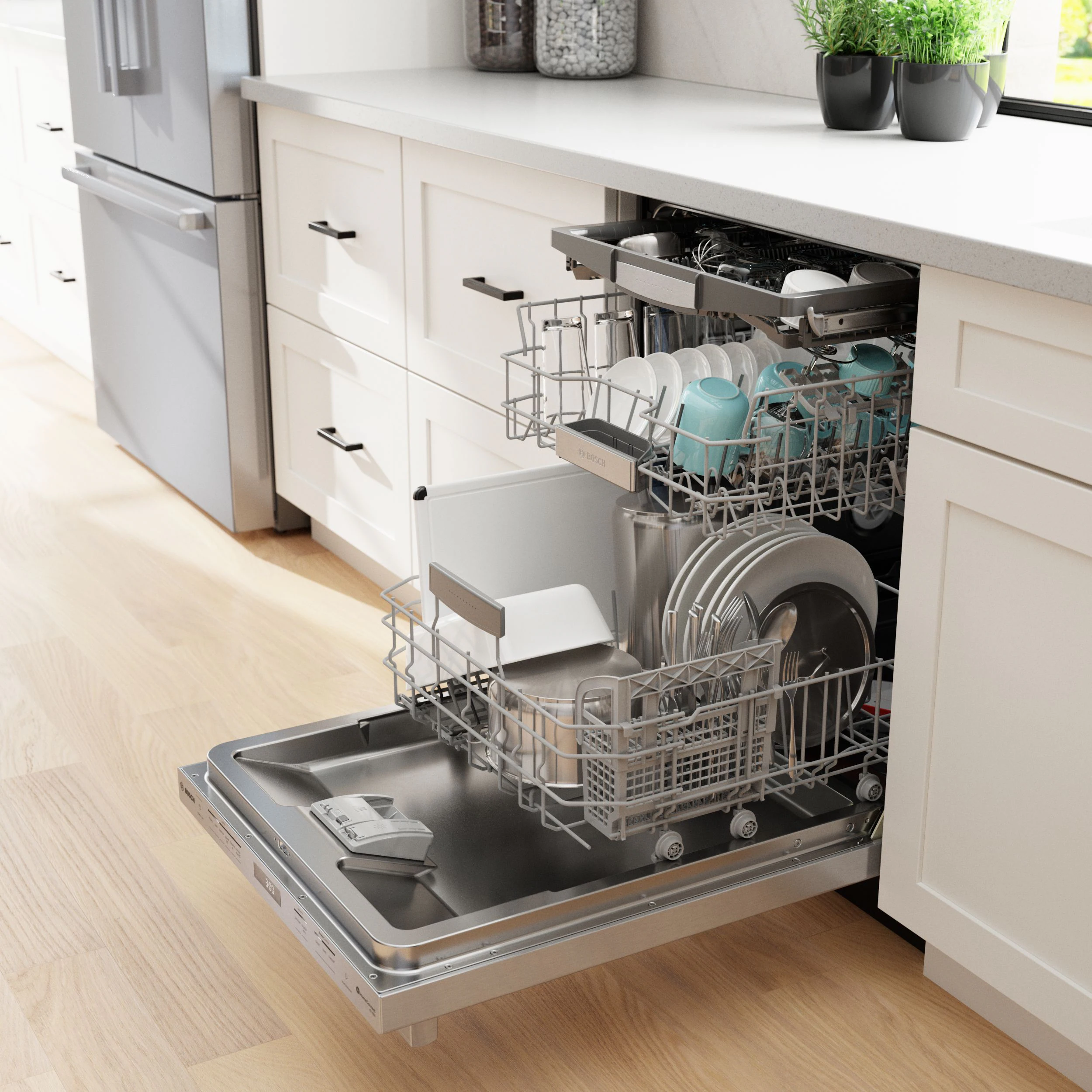
The Short Answer: No, and Here’s the Big “Why”
For the vast majority of dishwashers made in the last decade, the answer is a resounding no, you do not need to pre rinse dishes. In fact, you shouldn’t. The key lies in two things: modern dishwasher detergent and the advanced sensors inside your machine. For expert dishwasher sales reviews on this site.
Today’s high-quality dishwasher detergents are packed with powerful enzymes. Think of these enzymes like tiny Pac-Men whose sole job is to hunt down and break apart specific food particles. Some enzymes target starches (like potato and rice), while others go after proteins (like egg and meat). Here’s the kicker: these enzymes need something to work on. When you rinse your dishes clean, you’re essentially sending the detergent into the wash cycle with nothing to do. It’s like hiring a world-class cleaning crew for a room that’s already spotless.
How Modern Dishwashers Actually Work
To truly understand why pre-rinsing is a thing of the past, you need to appreciate the sophisticated process happening behind that closed door. It’s not just a chaotic slosh of hot water.
- The Pre-Wash/Rinse Cycle: The cycle begins with a cool water spray. This isn’t for cleaning; it’s for assessment. Many modern dishwashers have soil sensors (often called turbidity sensors) that use a beam of light to measure how dirty the water is after this initial rinse. If the water is relatively clean because you’ve pre-rinsed everything, the sensor tells the dishwasher’s main computer, “Hey, this is an easy job!” The machine then opts for a lighter, shorter, or lower-temperature wash cycle to save energy. The result? It might not use enough heat or power to properly clean unseen grease or sanitize the dishes.
- The Main Wash Cycle: The machine releases the detergent. This is when those powerful enzymes get to work, breaking down the food particles that the soil sensor detected. The dishwasher then heats the water to an optimal temperature (often much hotter than your hands can stand) to dissolve the detergent and kill bacteria. Powerful spray arms blast water from multiple angles, ensuring every nook and cranny is reached.
- The Rinse Cycles: The dirty, soapy water is drained and replaced with fresh water for one or more rinse cycles to wash away all the detergent and food debris. Many people use a rinse aid during this phase to help water sheet off the dishes, preventing spots and speeding up drying.
- The Drying Cycle: Finally, most dishwashers use a heating element or a condensation drying method to get your dishes table-ready.
When you pre-rinse, you are short-circuiting this intelligent system. You’re removing the very food particles the detergent is designed to attack and tricking the sensors into running a less effective cycle.
Scrape, Don’t Rinse: The New Golden Rule
So, if you’re not supposed to rinse, what should you do? The official recommendation from nearly every major appliance manufacturer is simple: scrape, don’t rinse.
Before loading, you should scrape off large, solid pieces of food into the trash or compost bin. We’re talking about things like:
- Bones
- Large chunks of meat or vegetables
- Heaps of leftover rice
- Corn cobs or fruit pits
Basically, anything that could physically clog the dishwasher’s filter or spray arms should be removed. But sauces, crumbs, oils, and general food residue should be left on the plate. That’s the fuel for your dishwasher’s detergent.
“I see this all the time in my service calls,” says David Chen, a Senior Appliance Technician with over 15 years of experience. “People complain their new, expensive dishwasher isn’t cleaning well. The first question I ask is, ‘Do you pre rinse your dishes?’ Nine times out of ten, they say yes. They’re shocked when I tell them to stop. The machine is designed to deal with a normal level of food soil.”
The Downsides of Pre-Rinsing: More Harm Than Good
Still not convinced to break the habit? Let’s look at the concrete disadvantages of pre-rinsing.
It Wastes a Staggering Amount of Water and Energy
This is the biggest factor. According to industry studies, pre-rinsing dishes by hand can waste up to 20 gallons of water per load. If you run your dishwasher daily, that’s over 7,000 gallons of water per year. Modern Energy Star-certified dishwashers, on the other hand, use as little as 3-5 gallons of water for an entire cycle. You’re also paying to heat that water at the tap, which adds to your energy bill.
It Can Lead to Poorer Cleaning Performance
As we’ve discussed, you’re essentially handicapping your dishwasher. By tricking the soil sensor, you might end up with a fine film of grease or a cloudy residue on your glassware because the machine didn’t run a cycle powerful enough to tackle it.
It Wastes Your Precious Time
Think about it. You spend 10-15 minutes standing at the sink rinsing dishes you’re about to put into a machine designed to wash them. That’s time you could be spending with your family, relaxing, or doing literally anything else.
|
Our Picks for the Best Dishwasher in 2026
As an Amazon Associate, we earn from qualifying purchases.
|
||
| Num | Product | Action |
|---|---|---|
| 1 | AIRMSEN Portable Countertop Dishwashers, 5 Washing Programs Mini Dishwashers with 5 L Built-in Water Tank and Double-layered Glass Door, No Hookup Needed for Home, Apartments & RVs |

|
| 2 | BLITZHOME Portable Dishwasher Countertop, WIFI Smart Dishwasher, Compact Dishwashers with 5L Built-in Water Tank, 6 Programs, 360° Dual Spray, High-Temp& Air-Dry Function, Fruit Cleaning |
|
| 3 | COMFEE\' Portable Dishwasher Countertop with 5L Built-in Water Tank, No Hookup Needed, 6 Programs, 360° Dual Spray, 192℉ High-Temp& Air-Dry Function, Mini Dishwasher for RVs, White |
|
| 4 | EUHOMY Countertop Dishwasher Portable with 6 Programs, 5L Built-in Water Tank for Apartments & RV, 167℉ High-Temp, No Hookup Needed, Mini Dishwasher with Baby Care, Air Dry/Quick/ECO/Fruit/Normal Mode |
|
| 5 | AIRMSEN Portable Countertop Dishwashers, 5 Washing Programs Mini Dishwashers with 5 L Built-in Water Tank and Double-layered Glass Door, No Hookup Needed for Home, Apartments & RVs |
|
| 6 | AIRMSEN Countertop Dishwasher Complete 2-Level Rack, Portable Dishwashers with 5L Built-in Water Tank, 3-Spray Arms & 12H Delay Start, No Hookup Needed, A01, White |
|
| 7 | EUHOMY Countertop Dishwasher Portable with 6 Programs, 5L Built-in Water Tank for Apartments, 167℉ High-Temp, No Hookup Needed, Mini Dishwasher with Baby Care, Air Dry/Quick/ECO/Fruit/Normal, White |
|
| 8 | NOVETE Portable Countertop Dishwashers, Compact Dishwashers with 5L Built-in Water Tank & Inlet Hose, 5 Washing Programs, Baby Care, Air-Dry Function and LED Light for Small Apartments |
|
| 9 | COMFEE\' Portable Mini Dishwasher Countertop with 5L Built-in Water Tank for Apartments& RVs, No Hookup Needed, 6 Programs, 360° Dual Spray, 162℉ High-Temp& Air-Dry Function |
|
| 10 | AIRMSEN Countertop Dishwasher - 8 Programs and 3 Useful Functions, Integrated Water Softener, Delayed Start, Child Lock, No Hookup Needed, Portable Mini Size for Home, Apartments & RVs |
|
What About Older Dishwasher Models?
This is a fair question. If your dishwasher is from the pre-2000s era, it likely lacks the advanced soil sensors and may not be optimized for modern enzyme-based detergents. For these older models, a light rinse might still be beneficial. However, for any machine purchased in the last 15 years, the “scrape, don’t rinse” rule almost certainly applies. If you’re unsure, a quick search for your model number online or a look at the user manual will give you the manufacturer’s specific recommendation.
Beyond Rinsing: Pro Tips for Perfectly Clean Dishes
Now that we’ve settled the pre-rinse debate, let’s focus on what really matters for getting a perfect clean every time. Effective dishwasher maintenance and proper loading are far more important.
- Load it Right: Don’t overcrowd the machine. Ensure water can reach all surfaces. Face the dirtiest side of the dishes toward the center spray arms. Place plastics and more delicate items on the top rack where the heat is less intense. Check out our full guide on how to load a dishwasher correctly for a deep dive.
- Use a High-Quality Detergent: Not all detergents are created equal. Pods and tablets are often recommended as they contain a pre-measured, multi-action formula. Look for brands that specifically mention enzyme action.
- Don’t Forget Rinse Aid: This is non-negotiable, especially if you have hard water. It breaks the surface tension of water, allowing it to slide off dishes easily, which dramatically improves drying and prevents spotting.
- Clean Your Filter Regularly: This is the single most important maintenance task. Most modern dishwashers have a removable filter at the bottom of the tub. You should check and rinse it at least once a month to remove trapped food particles. A clogged filter is the #1 cause of poor cleaning performance.
Frequently Asked Questions
What if my dishes still come out dirty after I stop pre-rinsing?
First, check your filter—it’s likely clogged. Second, ensure your spray arms aren’t blocked and can spin freely. Third, you may need to try a different, higher-quality detergent or use a rinse aid. Finally, if you have very hard water, you may need to use a dishwasher salt or a citric acid-based cleaner periodically.
How do I handle heavily caked-on or burnt food?
For pots and pans with burnt-on or heavily baked-on food, it’s best to soak them for a bit before loading. The dishwasher can handle a lot, but it’s not a magic wand for carbonized messes. A quick scrub on these specific items is fine, but you still don’t need to rinse every other dish.
What about things like oatmeal or peanut butter?
Leave them! These are exactly the kinds of starchy and oily messes that modern detergents are designed to obliterate. Scrape off any huge clumps, but the residue is what the enzymes are for.
Will leaving food on the dishes make my dishwasher smell?
If you run your dishwasher every day or two, this shouldn’t be an issue. The food particles won’t have time to rot and smell. If you only run it once a week, you might consider using your machine’s “rinse only” cycle to wet the dishes and prevent odors without using detergent.
Can I put very greasy pans in the dishwasher?
Absolutely. Modern dishwashers and detergents are excellent at cutting through grease. Just be sure to scrape off any solid fats or large pools of oil first. Loading them on the bottom rack will give them the most direct spray for the best results.
The Final Verdict
So, do you need to pre rinse dishes? The answer is a clear and confident no. It’s time to break the habit. By simply scraping your plates and trusting your appliance to do the job it was brilliantly engineered for, you will not only get cleaner dishes but also save significant amounts of water, energy, and your own valuable time. Give it a try for a week—let your dishwasher show you what it can really do. You might be pleasantly surprised by the results.
Get our weekly buyer guide
Practical specs, not advice. Unsubscribe anytime.