Ever stared at your dishwasher’s control panel, a sea of buttons and lights, and wondered what they all do? You’ve got “Normal,” “Heavy Duty,” maybe “Eco.” But then there’s that one that sounds a bit more serious: “Sanitize.” Often, you’ll see the letters “NSF” next to it. If you’ve ever asked yourself what is NSF certified sanitize cycle and whether it’s just a marketing gimmick or something truly useful, you’ve come to the right place. Let’s break it down, cut through the jargon, and figure out what this powerful cycle is all about.
Think of it this way: a normal wash cycle is like giving your dishes a really good shower. The sanitize cycle is like sending them to a medical-grade spa for a deep-cleansing, germ-eliminating treatment.
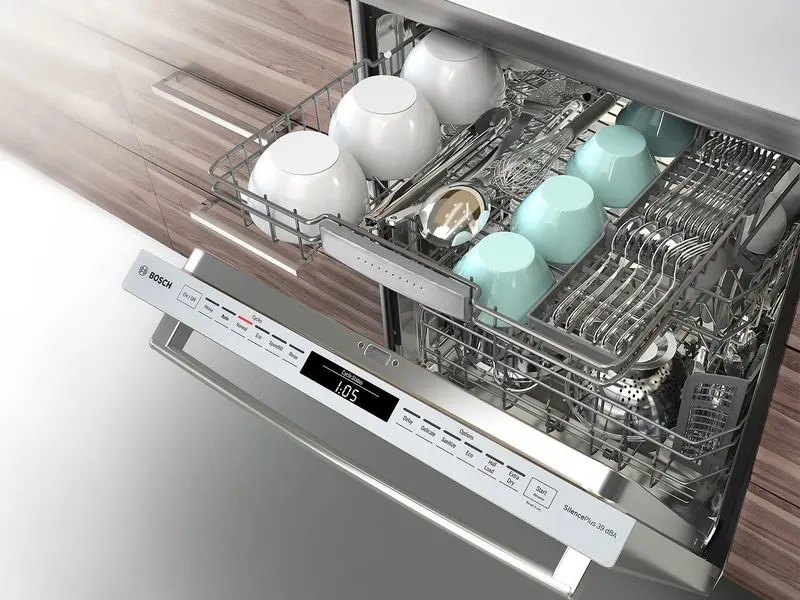
What Does NSF Certification Actually Mean?
Before we dive into the cycle itself, let’s talk about the gatekeeper: NSF. The letters stand for NSF International (formerly the National Sanitation Foundation). This is an independent, non-profit organization that has been around since 1944, developing public health standards and certification programs.
They don’t just work with dishwashers; they certify everything from water filters and food equipment to dietary supplements. When you see that NSF mark, it means the product has been rigorously tested to meet strict standards for public health and safety. It’s a seal of approval that carries some serious weight.
For residential dishwashers, the specific standard is NSF/ANSI Standard 184. A dishwasher can only earn this certification if its sanitize cycle can:
- Reach a final rinse temperature of at least 150°F (66°C).
- Kill 99.999% of bacteria and other microorganisms.
So, when your dishwasher has an NSF certified sanitize cycle, it’s not just a claim—it’s a proven fact. The manufacturer has submitted their machine for third-party testing to guarantee it gets the job done.
How Does the Sanitize Cycle Actually Work?
So, how does it achieve this germ-killing feat? The secret sauce is a combination of two key ingredients: extreme heat and time.
- The High-Heat Rinse: While your normal cycle uses hot water, the sanitize cycle takes it to another level. The dishwasher’s internal heater kicks into high gear during the final rinse, boosting the water temperature to that crucial 150°F (66°C) mark. This is significantly hotter than the water from your home’s hot water tank.
- Extended Exposure: It’s not enough to just splash hot water on the dishes. The dishwasher holds this high temperature for a specific duration to ensure that bacteria like E. coli and Salmonella are effectively eliminated.
It’s this one-two punch of scorching heat and sustained contact that wipes out those invisible germs, leaving your dishes not just visibly clean, but hygienically clean.
Is a Sanitize Cycle Different from a “High-Temp Wash”?
|
Our Picks for the Best Dishwasher in 2026
As an Amazon Associate, we earn from qualifying purchases.
|
||
| Num | Product | Action |
|---|---|---|
| 1 | AIRMSEN Countertop Dishwasher - 8 Programs and 3 Useful Functions, Integrated Water Softener, Delayed Start, Child Lock, No Hookup Needed, Portable Mini Size for Home, Apartments & RVs |

|
| 2 | EUHOMY Countertop Dishwasher Portable with 6 Programs, 5L Built-in Water Tank for Apartments & RV, 167℉ High-Temp, No Hookup Needed, Mini Dishwasher with Baby Care, Air Dry/Quick/ECO/Fruit/Normal Mode |
|
| 3 | COMFEE\' Portable Dishwasher Countertop with 5L Built-in Water Tank, No Hookup Needed, 6 Programs, 360° Dual Spray, 192℉ High-Temp& Air-Dry Function, Mini Dishwasher for RVs, White |
|
| 4 | EUHOMY Countertop Dishwasher Portable with 6 Programs, 5L Built-in Water Tank for Apartments, 167℉ High-Temp, No Hookup Needed, Mini Dishwasher with Baby Care, Air Dry/Quick/ECO/Fruit/Normal, White |
|
| 5 | COMFEE\' Portable Mini Dishwasher Countertop with 5L Built-in Water Tank for Apartments& RVs, No Hookup Needed, 6 Programs, 360° Dual Spray, 162℉ High-Temp& Air-Dry Function |
|
| 6 | BLITZHOME Portable Dishwasher Countertop, WIFI Smart Dishwasher, Compact Dishwashers with 5L Built-in Water Tank, 6 Programs, 360° Dual Spray, High-Temp& Air-Dry Function, Fruit Cleaning |
|
| 7 | AIRMSEN Portable Countertop Dishwashers, 5 Washing Programs Mini Dishwashers with 5 L Built-in Water Tank and Double-layered Glass Door, No Hookup Needed for Home, Apartments & RVs |
|
| 8 | AIRMSEN Portable Countertop Dishwashers, 5 Washing Programs Mini Dishwashers with 5 L Built-in Water Tank and Double-layered Glass Door, No Hookup Needed for Home, Apartments & RVs |
|
| 9 | AIRMSEN Countertop Dishwasher Complete 2-Level Rack, Portable Dishwashers with 5L Built-in Water Tank, 3-Spray Arms & 12H Delay Start, No Hookup Needed, A01, White |
|
| 10 | NOVETE Portable Countertop Dishwashers, Compact Dishwashers with 5L Built-in Water Tank & Inlet Hose, 5 Washing Programs, Baby Care, Air-Dry Function and LED Light for Small Apartments |
|
This is a great question and a common point of confusion. Yes, they are different.
- A High-Temp Wash option usually increases the main wash cycle temperature to help break down tough, baked-on food. It’s about cleaning power.
- The NSF Certified Sanitize Cycle specifically targets the final rinse. Its primary goal isn’t to remove lasagna stains; it’s to kill microorganisms.
Some dishwashers might combine these, but the NSF certification is what guarantees the specific temperature and germ-killing effectiveness.
When Should You Actually Use the Sanitize Cycle?
I’ve had my own dishwasher for years, and for a while, I barely touched the sanitize button. It felt like overkill. But once you understand its purpose, you’ll find it’s an incredibly valuable tool. This isn’t your everyday, run-of-the-mill cycle. You should save it for times when you need that extra layer of protection.
Here are some prime scenarios for hitting that “Sanitize” button:
- Protecting Vulnerable Family Members: If you have a newborn in the house, someone with a compromised immune system, or an elderly family member, sanitizing baby bottles, pacifiers, and dishes provides crucial peace of mind.
- After an Illness: When someone in the household has been sick with a cold, flu, or stomach bug, running a sanitize cycle on their dishes can help prevent germs from spreading to the rest of the family.
- Cleaning Kitchen Tools: Wooden cutting boards, especially those used for raw meat, poultry, or fish, are notorious for harboring bacteria. Popping them in a sanitize cycle is a fantastic way to ensure they’re truly clean. The same goes for kitchen sponges and brushes.
- Canning and Preserving: If you’re into canning jellies or pickling vegetables, you need to start with sterilized jars. The sanitize cycle is a much easier and safer alternative to boiling them on the stovetop.
- For the Utmost Hygiene: Sometimes, you just want the confidence that comes with knowing everything is as clean as it can possibly be. It’s perfect for allergy sufferers or anyone who is extra cautious about food safety.
Expert Insight:
“We often see a misconception that a ‘hot’ wash is enough for sanitization,” notes Dr. Eleanor Vance, a public health specialist. “But the NSF certification provides a scientifically validated benchmark. It ensures the dishwasher reaches a specific temperature lethal to most common household pathogens, something a standard cycle simply isn’t designed to do. It’s a public health feature, right in your kitchen.”
The Downsides: Is There a Catch?
Like any powerful tool, the sanitize cycle isn’t without its trade-offs. It’s important to know what they are so you can use it wisely.
Higher Energy Consumption
Heating water to 150°F takes a lot of energy. The dishwasher’s internal heater has to work much harder and longer than it does during a normal cycle. This means two things:
- Longer Cycle Times: A sanitize cycle can add anywhere from 30 to 60 minutes to the total wash time.
- Higher Electricity Bill: Using this cycle frequently will lead to a noticeable increase in your energy consumption. It’s a key reason why it’s best reserved for when you really need it, rather than for every single load. Think of it as a specialized tool, not your daily driver.
Not for Everything: The Risk to Delicate Items
That intense heat can be tough on certain materials. Before you sanitize a load, check what you’re putting in there.
- Plastics: Flimsy, non-dishwasher-safe plastics can warp, melt, or become discolored under such high heat. Always look for a “dishwasher safe” label, and even then, it’s best to place them on the top rack where the heat is slightly less intense. For more tips, check out [our guide on how to properly load plastics].
- Delicate Glassware: Thin or antique glassware could be susceptible to thermal shock (cracking from rapid temperature change).
- Painted or Wooden Items: Hand-painted ceramics can fade, and the finish on wooden-handled utensils can be ruined.
When in doubt, leave it out. It’s better to hand-wash a delicate item than to have it destroyed by the sanitize cycle.
Final Thoughts: A Powerful Tool in Your Cleaning Arsenal
So, what is NSF certified sanitize cycle? It’s a scientifically-proven, high-heat final rinse that eliminates 99.999% of bacteria from your dishes, giving you a level of clean that a normal wash can’t match.
It’s not an everyday cycle. Due to its higher energy use and intense heat, it’s best saved for specific situations—like protecting your family’s health during cold season, cleaning baby items, or ensuring your kitchen tools are free from harmful bacteria. By understanding when and how to use it, you can harness its full power without needlessly running up your energy bill. It’s one of the most valuable features on a modern dishwasher, turning your appliance from a simple dish cleaner into a guardian of your home’s health and hygiene.
Frequently Asked Questions (FAQ)
Q1: Is the NSF Sanitize cycle the same as a steam function?
No, they are different. A steam function typically releases steam during the pre-wash or main wash to help loosen tough, baked-on food. The NSF Sanitize cycle uses a very hot water rinse at the end of the cycle specifically to kill bacteria. Some high-end models may offer both features.
Q2: Does the sanitize cycle use more water than a normal cycle?
Generally, no. The main difference isn’t the volume of water used but the amount of energy required to heat that water to 150°F (66°C) during the final rinse. The primary impact is on your electricity bill, not your water bill.
Q3: Can I use the sanitize cycle to sterilize baby bottles?
Yes, absolutely. The NSF certified sanitize cycle is an excellent and convenient method for sanitizing baby bottles, nipples, and other feeding accessories. It provides a level of sanitization that meets public health standards, offering great peace of mind for parents.
Q4: Do I need special detergent for the sanitize cycle?
You do not need a special detergent. Your regular high-quality dishwasher detergent or pods will work perfectly fine. The sanitizing action comes from the high-temperature water rinse, not the soap.
Q5: Will the sanitize cycle make my glassware spotty?
The high heat itself doesn’t cause spotting, but it can make spotting worse if you have hard water. The heat causes the water to evaporate more quickly, leaving mineral deposits behind. To prevent this, always use a rinse aid, which helps water sheet off the dishes. For more information, read [our complete guide to eliminating dishwasher spots].
Q6: Is it safe to open the dishwasher right after a sanitize cycle finishes?
It’s best to wait a few minutes. The dishes and the interior of the dishwasher will be extremely hot. A blast of hot steam will also be released when you open the door. Letting it cool down for 15-20 minutes is safer and also helps with the drying process.
Q7: Do all new dishwashers have an NSF certified sanitize cycle?
Not all of them, but it is a very common feature, especially in mid-range to high-end models from major brands like Bosch, Whirlpool, KitchenAid, and GE. If this feature is important to you, always check the product specifications for “NSF Certified” before you buy.
Get our weekly buyer guide
Practical specs, not advice. Unsubscribe anytime.