Finding a puddle of water on your kitchen floor is never a good start to the day. A dishwasher leaking water from the bottom is a common appliance issue, but many causes are simple to diagnose and fix yourself. This guide will help you pinpoint the problem and often resolve it without professional help, saving you money and hassle.
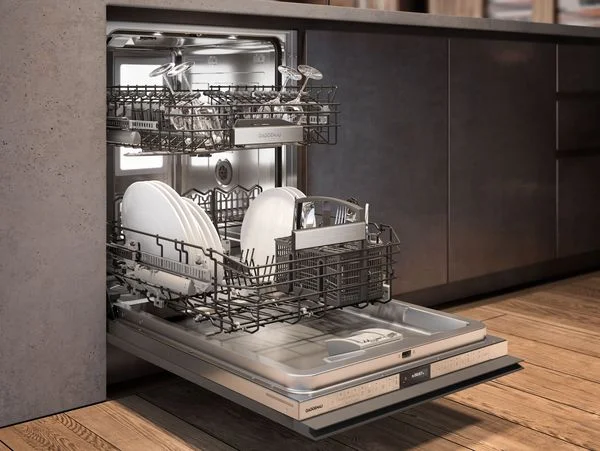
First Things First: Safety and Initial Checks
Before you start pulling things apart, let’s get the basics right. Water and electricity are not friends.
- Cut the Power: Go to your circuit breaker and flip the switch that controls your dishwasher. If you’re unsure which one it is, it’s safest to turn off the main power to the kitchen.
- Turn Off the Water: Look for the water supply line, usually under your kitchen sink. There should be a small valve on the hot water pipe leading to the dishwasher. Turn it clockwise until it’s firmly closed.
- Clean Up: Mop up the water to prevent slips and minimize potential water damage to your floor or cabinets.
With the area safe and dry, we can begin our investigation.
Why Is My Dishwasher Leaking Water From The Bottom? The Usual Suspects
A leak from the bottom of your dishwasher usually points to one of a handful of issues. We’ll start with the easiest to check and work our way to the more complex ones.
The Door Gasket: A Tired Seal
Think of the door gasket (or seal) as the weatherstripping for your dishwasher. This rubber or vinyl strip creates a watertight seal when the door is closed. Over time, it can get caked with food debris, grease, or become cracked and brittle.
- What to look for: Open the dishwasher door and carefully inspect the entire gasket. Run your finger along it. Do you see any cracks, tears, or flattened spots? Is it covered in grime?
- The Fix: Often, a simple cleaning is all it needs. Use a cloth with some vinegar and warm water to wipe down the entire gasket. If it’s physically damaged, you’ll need to replace it. This is usually a straightforward DIY job where you just pull the old one out and press the new one into the channel.
A Clogged Filter: The Overlooked Offender
This is, without a doubt, one of the most common reasons for a dishwasher leaking water from the bottom. Your dishwasher’s filter is designed to catch large food particles. If it gets clogged, water can’t drain properly. During the cycle, excess water can build up and be forced out from the lowest point—the bottom of the door or the sump area.
- Locate the Filter: You’ll find it on the floor of the dishwasher, usually beneath the lower spray arm. It’s typically a cylindrical, twist-off component.
- Remove and Inspect: Twist it (usually counter-clockwise) and lift it out. Be prepared; it might be a bit gross.
- Clean Thoroughly: Rinse it under warm running water. Use a soft brush to gently scrub away any stubborn gunk. Also, check the area where the filter sits for any debris.
- Reinstall: Place it back and lock it into position. A clean filter is a cornerstone of good dishwasher maintenance and can dramatically improve performance.
Overloading or Using the Wrong Detergent
|
Our Picks for the Best Dishwasher in 2026
As an Amazon Associate, we earn from qualifying purchases.
|
||
| Num | Product | Action |
|---|---|---|
| 1 | AIRMSEN Countertop Dishwasher - 8 Programs and 3 Useful Functions, Integrated Water Softener, Delayed Start, Child Lock, No Hookup Needed, Portable Mini Size for Home, Apartments & RVs |

|
| 2 | BLITZHOME Portable Dishwasher Countertop, WIFI Smart Dishwasher, Compact Dishwashers with 5L Built-in Water Tank, 6 Programs, 360° Dual Spray, High-Temp& Air-Dry Function, Fruit Cleaning |
|
| 3 | AIRMSEN Portable Countertop Dishwashers, 5 Washing Programs Mini Dishwashers with 5 L Built-in Water Tank and Double-layered Glass Door, No Hookup Needed for Home, Apartments & RVs |
|
| 4 | COMFEE\' Portable Mini Dishwasher Countertop with 5L Built-in Water Tank for Apartments& RVs, No Hookup Needed, 6 Programs, 360° Dual Spray, 162℉ High-Temp& Air-Dry Function |
|
| 5 | EUHOMY Countertop Dishwasher Portable with 6 Programs, 5L Built-in Water Tank for Apartments & RV, 167℉ High-Temp, No Hookup Needed, Mini Dishwasher with Baby Care, Air Dry/Quick/ECO/Fruit/Normal Mode |
|
| 6 | EUHOMY Countertop Dishwasher Portable with 6 Programs, 5L Built-in Water Tank for Apartments, 167℉ High-Temp, No Hookup Needed, Mini Dishwasher with Baby Care, Air Dry/Quick/ECO/Fruit/Normal, White |
|
| 7 | NOVETE Portable Countertop Dishwashers, Compact Dishwashers with 5L Built-in Water Tank & Inlet Hose, 5 Washing Programs, Baby Care, Air-Dry Function and LED Light for Small Apartments |
|
| 8 | COMFEE\' Portable Dishwasher Countertop with 5L Built-in Water Tank, No Hookup Needed, 6 Programs, 360° Dual Spray, 192℉ High-Temp& Air-Dry Function, Mini Dishwasher for RVs, White |
|
| 9 | AIRMSEN Portable Countertop Dishwashers, 5 Washing Programs Mini Dishwashers with 5 L Built-in Water Tank and Double-layered Glass Door, No Hookup Needed for Home, Apartments & RVs |
|
| 10 | AIRMSEN Countertop Dishwasher Complete 2-Level Rack, Portable Dishwashers with 5L Built-in Water Tank, 3-Spray Arms & 12H Delay Start, No Hookup Needed, A01, White |
|
Believe it or not, how you use your dishwasher matters.
- Overloading: Cramming too many dishes in, especially large pans or platters that block the spray arms, can cause water to be deflected directly at the bottom of the door seal with excessive force, causing it to seep through.
- Too Much Suds: Using the wrong detergent (like regular dish soap) or even too much dishwasher detergent can create a mountain of suds. These suds are much lighter than water and can easily push past the door seals, resulting in a leak.
Pro Tip: Always use a high-quality detergent specifically designed for automatic dishwashers. And remember, more soap does not equal cleaner dishes; it often just leads to problems.
The Drain Hose Connection
The drain hose carries the dirty water from your dishwasher to the sink drain or garbage disposal. If this connection is loose or the hose itself is damaged, you’ll get a leak.
- Where to look: This investigation takes you under the sink. You’ll see a corrugated hose running from the back of the dishwasher to the sink’s plumbing.
- What to check: Ensure the clamp holding the hose to the drain is tight. Inspect the length of the hose for any visible cracks, holes, or kinks that could be restricting flow.
More Advanced Issues: Valves and Pumps
If you’ve checked all the above and are still finding water, the problem might be a bit more technical.
- Water Inlet Valve: This valve controls the flow of water into the dishwasher. If it gets stuck open or has a crack in its body, it can allow too much water in, causing an overfill that leaks out the bottom. You’ll usually find this valve at the bottom front of the machine, behind the kickplate.
- Sump or Pump Seal: At the very bottom of the dishwasher tub is a sump, which collects water for the pump. The motor and pump assembly have seals that can wear out over time. A leak from here will often appear as a slow drip directly under the center of the machine. This is a more involved repair and might be where you decide to call a professional.
Your Step-by-Step Troubleshooting Checklist
Feeling overwhelmed? Don’t be. Just follow this simple checklist.
- Safety First: Disconnect power and water.
- Check the Door: Inspect and clean the door gasket.
- Clean the Filter: Remove and thoroughly wash the main filter.
- Review Your Habits: Are you overloading or using the right amount of the correct detergent?
- Inspect the Drain Hose: Check the connections under the sink for tightness and the hose for damage.
- Look Underneath: Carefully pull the dishwasher out (if possible) and look for drips from the water inlet valve or the central pump assembly.
When to Wave the White Flag and Call a Professional
DIY is great, but it’s also important to know your limits. It’s time to call in a certified technician if:
- You’ve gone through the checklist and can’t find the source of the leak.
- You suspect the leak is coming from the water inlet valve or the main pump.
- The leak is significant and you’re worried about serious water damage.
- You simply don’t feel comfortable performing the repair yourself.
“A small, persistent dishwasher leaking water from the bottom can cause thousands of dollars in damage to subflooring and cabinets over time,” warns James Peterson, an appliance technician with over 15 years of field experience. “If a simple fix like cleaning the filter doesn’t solve it, it’s always cheaper to get a professional diagnosis than to risk a major home repair down the line.”
Frequently Asked Questions (FAQ)
Q: Can I still use my dishwasher if it has a small leak?
A: It’s strongly discouraged. A small leak can quickly become a large one, and continuous exposure to water can damage your flooring, cabinetry, and even lead to mold growth. It’s best to stop using it until the issue is resolved.
Q: How much does it cost to fix a leaking dishwasher?
A: Costs vary widely. If you just need a new door gasket that you install yourself, it could be under $50. A professional service call to replace a pump or inlet valve could range from $150 to $400 or more, depending on the brand and part cost.
Q: Is it worth repairing an old dishwasher that’s leaking?
A: It depends. If your dishwasher is over 8-10 years old and the repair is for a major component like the motor or pump, the cost of the repair might be a significant portion of the price of a new, more energy-efficient model. Consider the age, brand, and repair estimate before deciding.
Q: Why does my dishwasher only leak during a certain part of the cycle?
A: This is a great clue! A leak at the beginning of the cycle might point to a faulty water inlet valve (overfilling). A leak during the main wash could be related to a blocked spray arm or overloading. A leak during the drain cycle almost always points to a clog in the filter or drain hose.
Q: Could the leak be caused by the dishwasher not being level?
A: Absolutely. If a dishwasher is tilted too far forward, water can pool at the front of the tub and seep through the bottom of the door, even if the gasket is in good condition. Use a level to check and adjust the feet at the bottom if necessary.
Conclusion: Putting a Stop to the Puddle
A dishwasher leaking water from the bottom is a problem that demands immediate attention, but it’s rarely a sign that you need to scrap the whole appliance. By methodically working through the common causes—from a dirty door seal and a clogged filter to a loose hose—you have an excellent chance of finding and fixing the issue on your own. You’ll not only save money but also gain a better understanding of how this amazing appliance keeps your kitchen running smoothly. So, roll up your sleeves, follow the steps, and get ready to reclaim your dry kitchen floor.
Frequently Asked Questions
Can I still use my dishwasher if it has a small leak?
It is strongly discouraged to use a dishwasher with a leak, even a small one. Continuous water exposure can damage flooring and cabinetry, and potentially lead to mold growth. Stop using the appliance until the issue is resolved to prevent further damage.
How much does it cost to fix a leaking dishwasher?
Repair costs vary significantly. A DIY replacement of a door gasket might cost under $50. However, a professional service call to replace a pump or inlet valve could range from $150 to over $400, depending on the specific brand and part required.
Is it worth repairing an old dishwasher that's leaking?
The decision to repair an old dishwasher depends on its age and the repair cost. If the dishwasher is over 8-10 years old and requires a major component replacement like the motor or pump, the repair cost might be a significant portion of buying a new, more energy-efficient model. Evaluate the age, brand, and repair estimate before deciding.
Why does my dishwasher only leak during a certain part of the cycle?
The timing of the leak provides valuable clues. A leak at the beginning of the cycle often indicates a faulty water inlet valve causing overfilling. Leaks during the main wash might be due to a blocked spray arm or overloading. A leak during the drain cycle almost always points to a clog in the filter or drain hose.
Could the leak be caused by the dishwasher not being level?
Yes, an unlevel dishwasher can cause leaks. If the appliance is tilted too far forward, water can pool at the front of the tub and seep through the bottom of the door, even if the gasket is in good condition. Use a level to check and adjust the feet at the bottom of the dishwasher as needed.
Troubleshoot a Dishwasher Leaking Water From the Bottom
Follow these steps to safely diagnose and fix common causes of a dishwasher leaking water from the bottom, from simple gasket issues to clogged filters.
Before any inspection, disconnect the dishwasher's power at the circuit breaker and turn off the hot water supply valve, typically found under the kitchen sink. Mop up any standing water to prevent slips and further damage.
Open the dishwasher door and carefully examine the rubber or vinyl gasket for cracks, tears, or flattened spots. Clean any food debris or grime with a cloth dampened with vinegar and warm water. Replace the gasket if it is physically damaged.
Locate the filter on the floor of the dishwasher, usually under the lower spray arm. Twist it counter-clockwise to remove it, then rinse it thoroughly under warm running water, scrubbing away any stubborn gunk with a soft brush. Reinstall the clean filter securely.
Ensure you are not overloading the dishwasher, as this can deflect water towards the door seal. Verify you are using the correct type and amount of dishwasher detergent; excessive suds from regular dish soap or too much detergent can cause leaks.
Look under the sink for the corrugated drain hose running from the dishwasher to the plumbing. Check that the clamp holding the hose is tight and inspect the hose itself for any visible cracks, holes, or kinks that could restrict water flow.
Get our weekly buyer guide
Practical specs, not advice. Unsubscribe anytime.
My old dishwasher started leaking and I was dreading the repair cost. This guide’s tip about checking the door gasket was spot on for me. It was just a bit gunked up and after a good clean, the leak stopped. I appreciate the clear instructions on how to diagnose it myself.
The guide was pretty helpful for getting started. I followed the steps to cut the power and turn off the water, which was good. My leak ended up being a cracked tub though, which wasn’t really covered in the common fixes. Still, it gave me a good starting point before calling a pro.
Seriously, this post saved my kitchen floor! I thought for sure I’d need a new dishwasher, but the section on checking the drain hose connection was exactly what I needed. It was a simple fix to re-seat it properly. So glad I found this before calling anyone out.
I was so frustrated with my dishwasher leaking from the bottom, but the advice here about checking the water supply line was a lifesaver. I found a loose connection under the sink just like it mentioned. Tightened it up and no more puddles! Saved me a service call for sure.