A dishwasher not draining is a common issue, but homeowners can fix it themselves in most cases by addressing simple blockages within 30 minutes. The primary causes include a clogged filter, a kinked or clogged drain hose, a blocked garbage disposal, or a clogged air gap. Resolving these issues typically involves cleaning the filter, inspecting the hose, or clearing the disposal connection.
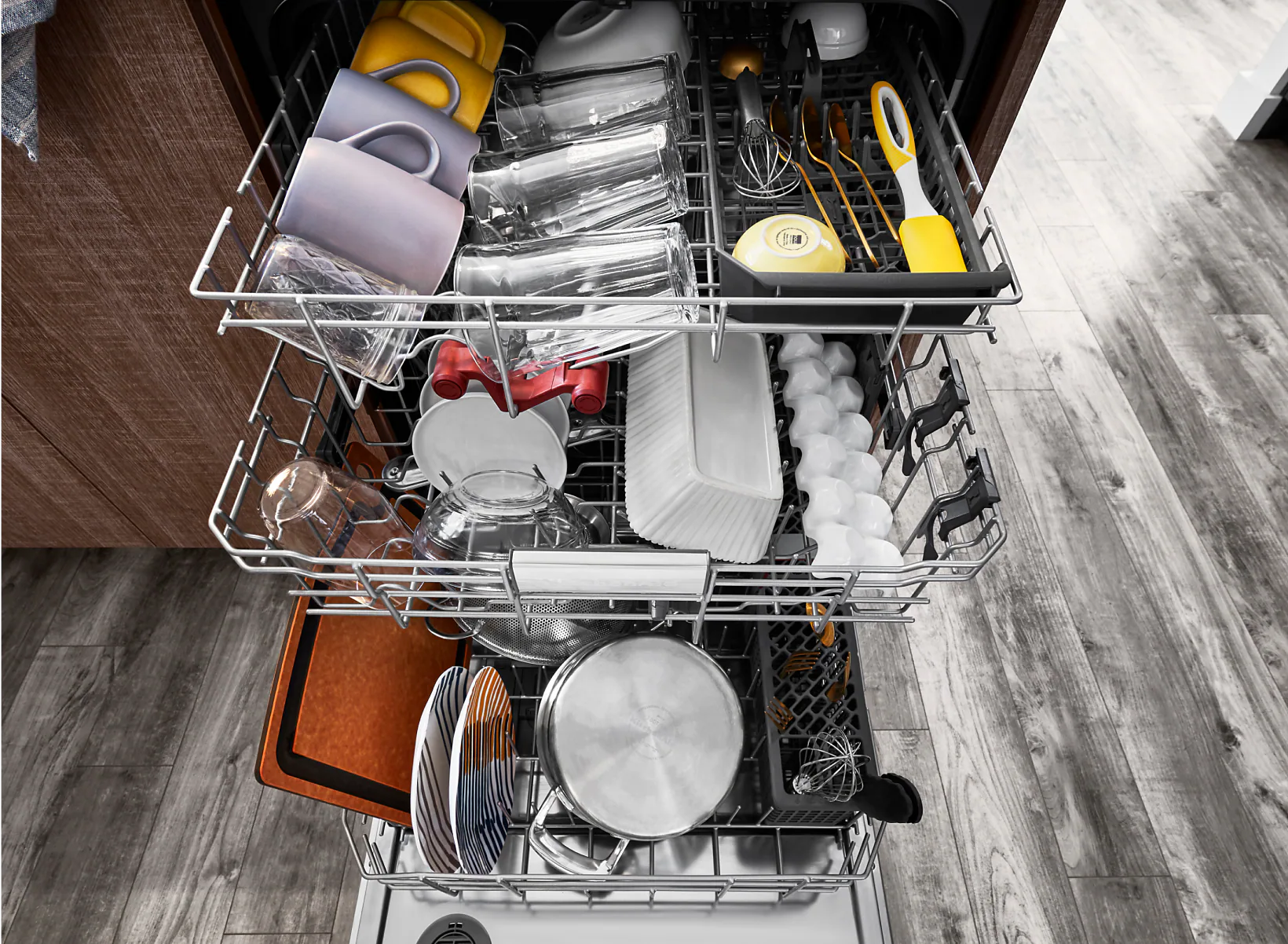
Why Is My Dishwasher Not Draining? The Usual Suspects
Before we dive into the fixes, it helps to understand what’s causing the backup. Think of your dishwasher’s drainage system like the plumbing under your sink—it’s a series of filters and hoses that can get clogged over time. More often than not, a dishwasher not draining is caused by one of these simple blockages. For explore our dishwasher sales reviews on this site.
Here are the most common culprits, starting with the easiest to check:
- A Clogged Filter: This is offender number one. Food scraps, labels, and other gunk build up in the filter at the bottom of the tub, preventing water from escaping.
- A Kinked or Clogged Drain Hose: The flexible hose that carries water from your dishwasher to the sink drain or garbage disposal can get twisted, pinched, or filled with debris.
- A Blocked Garbage Disposal: If your dishwasher drains into your garbage disposal, a blockage there will back everything up. This is surprisingly common, especially after a new disposal installation.
- A Clogged Air Gap: Some kitchens have a small cylinder-shaped fixture on the sink, called an air gap, which prevents contaminated water from siphoning back into the dishwasher. This, too, can get clogged.
- A Malfunctioning Drain Pump: In rarer cases, the issue could be mechanical, such as a broken or jammed drain pump motor.
Your Step-by-Step Guide to Fixing a Dishwasher That Won’t Drain
Ready to play detective? Follow these steps in order. Chances are, you’ll find and fix the problem long before you reach the end of the list.
Step 1: Safety First!
Before you do anything else, turn off the power to your dishwasher. You can do this by unplugging it from the wall or, more likely, by switching off the corresponding breaker in your home’s electrical panel. Safety is non-negotiable. It’s also a good idea to lay down some old towels around the base of the dishwasher to catch any spills.
Step 2: Check and Clean the Dishwasher Filter
The filter is your primary line of defense against clogs. It’s located on the floor of the dishwasher interior, usually beneath the bottom spray arm.
- Remove the bottom dish rack to get clear access.
- Most filters consist of two parts: a flat mesh screen (the fine filter) and a cylindrical cup (the coarse filter) that you can twist to unlock. They usually twist counter-clockwise.
- Lift both pieces out. Be prepared, it might be a bit gross.
- Take the filter parts to the sink and wash them thoroughly with warm, soapy water and a soft brush. Get all the food particles and greasy film off.
- While the filter is out, use a sponge or paper towel to clean out the sump area where the filter sits. You might find a rogue olive pit or piece of glass in there.
- Once clean, lock the filter firmly back into place. A loose filter can cause major problems.
Step 3: Inspect the Drain Hose
|
Our Picks for the Best Dishwasher in 2026
As an Amazon Associate, we earn from qualifying purchases.
|
||
| Num | Product | Action |
|---|---|---|
| 1 | EUHOMY Countertop Dishwasher Portable with 6 Programs, 5L Built-in Water Tank for Apartments, 167℉ High-Temp, No Hookup Needed, Mini Dishwasher with Baby Care, Air Dry/Quick/ECO/Fruit/Normal, White |

|
| 2 | EUHOMY Countertop Dishwasher Portable with 6 Programs, 5L Built-in Water Tank for Apartments & RV, 167℉ High-Temp, No Hookup Needed, Mini Dishwasher with Baby Care, Air Dry/Quick/ECO/Fruit/Normal Mode |
|
| 3 | AIRMSEN Countertop Dishwasher Complete 2-Level Rack, Portable Dishwashers with 5L Built-in Water Tank, 3-Spray Arms & 12H Delay Start, No Hookup Needed, A01, White |
|
| 4 | BLITZHOME Portable Dishwasher Countertop, WIFI Smart Dishwasher, Compact Dishwashers with 5L Built-in Water Tank, 6 Programs, 360° Dual Spray, High-Temp& Air-Dry Function, Fruit Cleaning |
|
| 5 | AIRMSEN Portable Countertop Dishwashers, 5 Washing Programs Mini Dishwashers with 5 L Built-in Water Tank and Double-layered Glass Door, No Hookup Needed for Home, Apartments & RVs |
|
| 6 | NOVETE Portable Countertop Dishwashers, Compact Dishwashers with 5L Built-in Water Tank & Inlet Hose, 5 Washing Programs, Baby Care, Air-Dry Function and LED Light for Small Apartments |
|
| 7 | COMFEE\' Portable Mini Dishwasher Countertop with 5L Built-in Water Tank for Apartments& RVs, No Hookup Needed, 6 Programs, 360° Dual Spray, 162℉ High-Temp& Air-Dry Function |
|
| 8 | AIRMSEN Countertop Dishwasher - 8 Programs and 3 Useful Functions, Integrated Water Softener, Delayed Start, Child Lock, No Hookup Needed, Portable Mini Size for Home, Apartments & RVs |
|
| 9 | COMFEE\' Portable Dishwasher Countertop with 5L Built-in Water Tank, No Hookup Needed, 6 Programs, 360° Dual Spray, 192℉ High-Temp& Air-Dry Function, Mini Dishwasher for RVs, White |
|
| 10 | AIRMSEN Portable Countertop Dishwashers, 5 Washing Programs Mini Dishwashers with 5 L Built-in Water Tank and Double-layered Glass Door, No Hookup Needed for Home, Apartments & RVs |
|
The drain hose is the ribbed plastic tube that runs from your dishwasher to the sink’s plumbing.
- Gently pull your dishwasher out a few inches from the wall so you can see behind it.
- Look for any obvious kinks or sharp bends in the hose that could be restricting water flow. Straighten them out.
- If the hose looks okay, the clog may be inside. Place the end of the hose that connects to the sink drain into a bucket. A bit of water will likely come out.
- Disconnect the hose from the dishwasher pump (you may need pliers for the clamp). Blow through the hose to see if it’s clear. If you feel resistance, you’ve found your clog. You can often clear it by running water through it at high pressure or by carefully using a wire coat hanger to dislodge the debris.
Expert Tip: John Carter, a certified appliance technician with over 15 years of experience, notes, “I’d say 80% of the ‘dishwasher not draining’ calls I get are resolved by cleaning the filter or un-kinking the drain hose. People are often amazed at how simple the fix is. Regular dishwasher maintenance is the best way to prevent it from happening in the first place.”
Step 4: Check the Garbage Disposal Connection
If your drain hose connects to your garbage disposal, this is a critical checkpoint. A small, plastic “knockout plug” inside the disposal’s dishwasher inlet port needs to be removed upon installation. Sometimes, installers forget.
- Disconnect the drain hose from the garbage disposal inlet.
- Carefully stick a finger or a screwdriver into the inlet port on the disposal. Do you feel a solid plastic plug? If so, that’s your problem!
- To remove it, gently tap it out from the inside of the disposal using a hammer and a screwdriver. Make sure to retrieve the plastic piece from inside the disposal before running it.
Even if the plug is gone, food waste can build up in the disposal and block the inlet. Running the garbage disposal before you start your dishwasher can help keep this path clear.
Smart Habits for a Healthy, Draining Dishwasher
Once you’ve solved the immediate problem, you’ll want to keep it from happening again. Adopting a few simple habits can drastically improve your dishwasher’s performance and longevity.
- Scrape, Don’t Rinse: You should scrape large food chunks off your plates before loading, but there’s no need to pre-rinse. Modern dishwasher detergents need a little bit of grime to work effectively.
- Clean Your Filter Regularly: Make it a monthly ritual. A clean filter is the single most important part of effective dishwasher maintenance.
- Load It Right: Learn the basics of how to load a dishwasher correctly. Ensure nothing is blocking the spray arms and that water can circulate freely. Overcrowding is a common cause of poor performance.
- Run Hot Water First: Before starting a cycle, run the hot water at your kitchen sink until it gets hot. This ensures your dishwasher starts its cycle with hot water, which is better for dissolving detergents and cutting through grease.
- Use a Dishwasher Cleaner: Once every few months, run an empty cycle with a specialized dishwasher cleaner. This helps dissolve hard water deposits and grease buildup in the pump and hoses.
When to Throw in the Towel and Call a Professional
While most drainage issues are simple DIY fixes, there are times when you need an expert. If you’ve tried all the steps above and your dishwasher is not draining still, the problem could be a faulty drain pump or an issue with the electronic control board. Signs of a bad pump include a humming or grinding noise during the drain cycle with no water being removed. At this point, it’s best to call a qualified appliance repair technician to avoid causing further damage.
Frequently Asked Questions
Is a little bit of standing water in the bottom of my dishwasher normal?
Yes, it’s normal to see a small amount of clean water (usually a cup or two) in the filter area or sump at the bottom of the tub after a cycle. This keeps the seals from drying out. However, if you see several inches of cloudy, dirty water, you have a drainage problem.
Can I use a chemical drain cleaner like Drano in my dishwasher?
Absolutely not. These harsh chemicals can severely damage the plastic and rubber components of your dishwasher, such as the hoses and seals, leading to much more expensive repairs. Stick to the manual cleaning methods outlined above.
How often should I clean my dishwasher filter?
For best performance, you should check and rinse your dishwasher filter at least once a month. If you have a large family or run your dishwasher daily, checking it every couple of weeks is an even better habit.
My dishwasher is making a humming noise but not draining. What does that mean?
A humming or buzzing sound during the drain cycle often indicates that the drain pump motor is trying to run but is either jammed by a foreign object (like a piece of glass or a bone) or has failed.
Why did my dishwasher suddenly stop draining?
A sudden drainage failure is almost always caused by a clog. It’s likely a large piece of food finally blocked the filter, or the drain hose got kinked when the appliance was pushed back into place.
Conclusion
Facing a dishwasher not draining can be a real headache, but it doesn’t have to be a disaster. By methodically checking the most common trouble spots—the filter, the drain hose, and the garbage disposal connection—you can solve the problem yourself the vast majority of the time. Not only will you save money on a service call, but you’ll also gain a better understanding of how your trusty appliance works. A little routine maintenance goes a long way in keeping your dishwasher running smoothly, ensuring you get those sparkling clean dishes you expect, cycle after cycle.
Frequently Asked Questions
Is a small amount of standing water in the bottom of my dishwasher normal?
Yes, it is normal to find a small amount of clean water, typically one to two cups, in the filter area or sump after a cycle. This water helps keep the seals from drying out. However, if you observe several inches of cloudy, dirty water, it indicates a drainage problem that needs attention.
Can I use a chemical drain cleaner like Drano in my dishwasher?
No, you should absolutely not use chemical drain cleaners such as Drano in your dishwasher. These harsh chemicals can cause severe damage to the plastic and rubber components, including hoses and seals, leading to much more expensive repairs. Always stick to manual cleaning methods.
How often should I clean my dishwasher filter for optimal performance?
For optimal performance and to prevent clogs, you should check and rinse your dishwasher filter at least once a month. If you have a large family or use your dishwasher daily, checking it every couple of weeks is an even better habit to maintain.
My dishwasher is making a humming noise but not draining. What does this indicate?
A humming or buzzing sound during the drain cycle without water removal often indicates that the drain pump motor is attempting to operate but is either jammed by a foreign object, such as a piece of glass or a bone, or has completely failed. Inspection of the pump for obstructions is recommended.
What typically causes a dishwasher to suddenly stop draining?
A sudden drainage failure in a dishwasher is almost always caused by a clog. This is commonly due to a large piece of food finally blocking the filter, or the drain hose becoming kinked when the appliance was pushed back into its position after installation or cleaning.
Fix a Dishwasher That Won't Drain
Follow these steps to diagnose and fix common dishwasher drainage issues yourself, saving money on professional repair services.
Before performing any maintenance or repair, ensure the dishwasher is completely powered off. Unplug the appliance or switch off the corresponding circuit breaker in your home's electrical panel to prevent electrical hazards. Lay down towels to manage spills.
Remove the bottom dish rack to access the filter, usually located on the dishwasher floor. Twist and lift out both the mesh screen and cylindrical cup filter parts. Thoroughly wash them with warm, soapy water and a soft brush to remove food particles and grease, then clean the sump area and re-lock the filter firmly.
Gently pull the dishwasher out to access the drain hose behind it. Look for any kinks or sharp bends in the ribbed plastic tube and straighten them. If no kinks are visible, disconnect the hose from the sink drain and the dishwasher pump, then blow through it or use a wire hanger to clear any internal clogs.
If your dishwasher drains into a garbage disposal, disconnect the drain hose from the disposal's inlet. Check for a plastic 'knockout plug' inside the inlet port; if present, carefully tap it out from the inside of the disposal and retrieve it. Ensure the disposal is clear of food waste by running it regularly.
Get our weekly buyer guide
Practical specs, not advice. Unsubscribe anytime.
My dishwasher wasn’t draining and I went through all the steps, cleaning the filter and checking the hose. Everything seemed fine. I even looked at the garbage disposal connection, but that wasn’t the problem either. Ended up having to call a plumber anyway, which was a bummer. Still, it was helpful to rule out the easy stuff first.
My dishwasher stopped draining last week and I was dreading calling a repairman. I followed the advice here about checking the clogged filter first, and sure enough, it was packed with gunk! Took me about 15 minutes to clean it out and now it’s draining perfectly. So glad I found these tips before spending a fortune.
I had a persistent issue with my dishwasher not draining completely, leaving a little puddle at the bottom. I checked the drain hose as suggested, and it turns out it was slightly kinked behind the machine. Straightened it out and now everything’s flowing smoothly. It’s a simple fix but one I wouldn’t have thought of on my own.
This was a lifesaver! My dishwasher suddenly stopped draining after dinner last night. I remembered reading about the air gap being a potential issue, and after a quick inspection, I found it was completely blocked. A little cleaning and it’s back to normal. Saved me a service call for sure.